A state-led financing dialogue is helping Kwara and Enugu States mobilize partnerships and practical solutions to sustain malaria elimination and…
STOP-AMDR
Empowering Community Health Workers to Protect Rwanda from Malaria Resistance
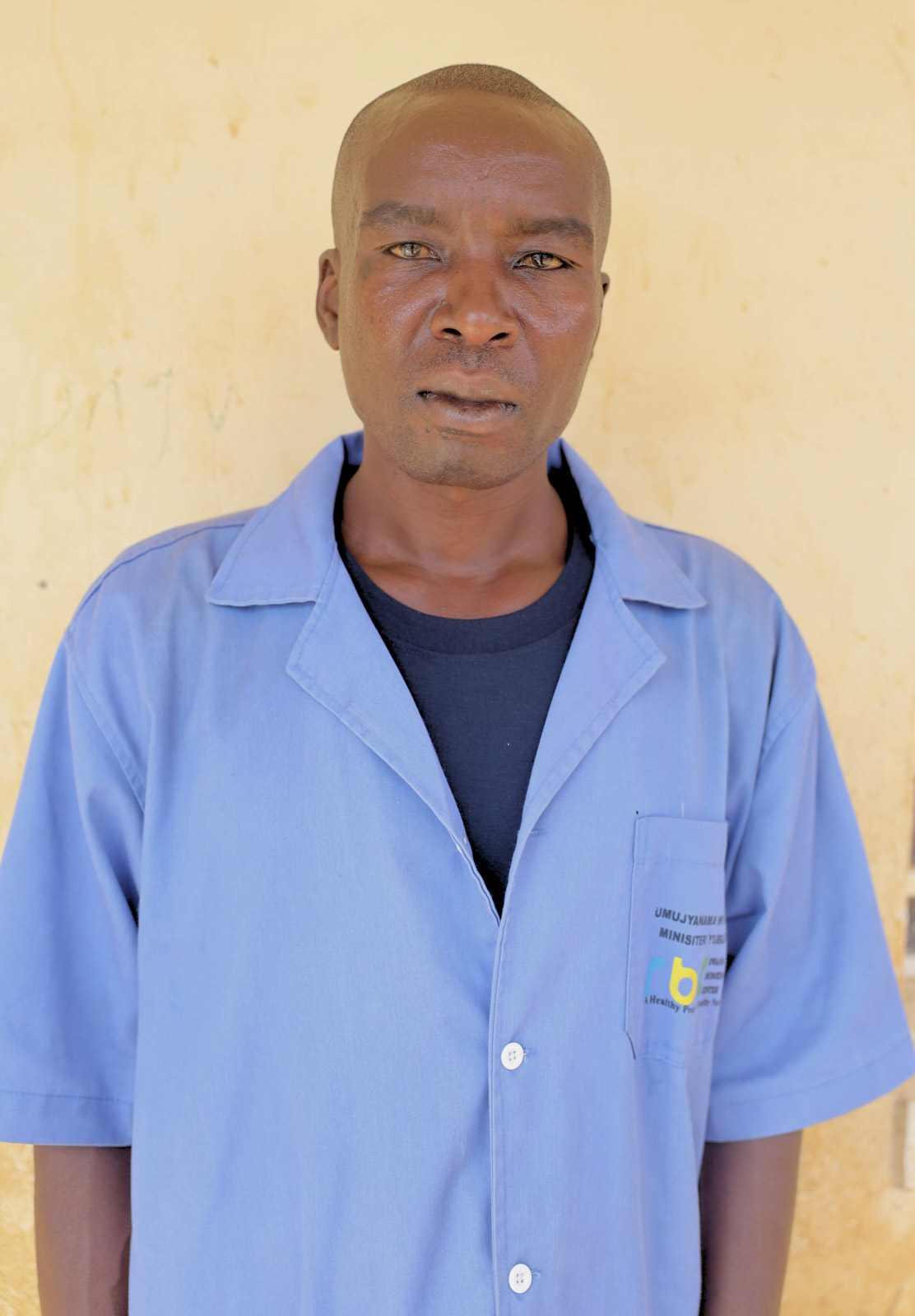
For more than 12 years, Mwanzarimwabo Innocent has been the heartbeat of Mataba village located in Musezero cell, Rwaza sector in the Musanze district of Rwanda. As a dedicated community health worker (CHW), Innocent has supported his neighbours through challenges and triumphs, ensuring that every family has access to malaria prevention and control services close to home. Throughout his service, one responsibility has always defined his role: being the first line of defence against malaria—an illness caused by parasites spread through mosquito bites causing fever, chills, and fatigue. This severe illness continues to affect families across the region. In Rwanda, CHWs are the primary frontline force as they treat 60% of all uncomplicated malaria cases in the country. Malaria incidence was 94 cases per 1,000 population from January to December 2025, according to the Health Management Information System (HMIS). In Musanze District, there were 14,741 malaria cases out of a total population of 510,164. The district includes two high‑burden sectors—Nkotsi and Rwaza—which report significantly elevated incidence rates of 299 and 124 cases of malaria per 1,000 population, respectively.
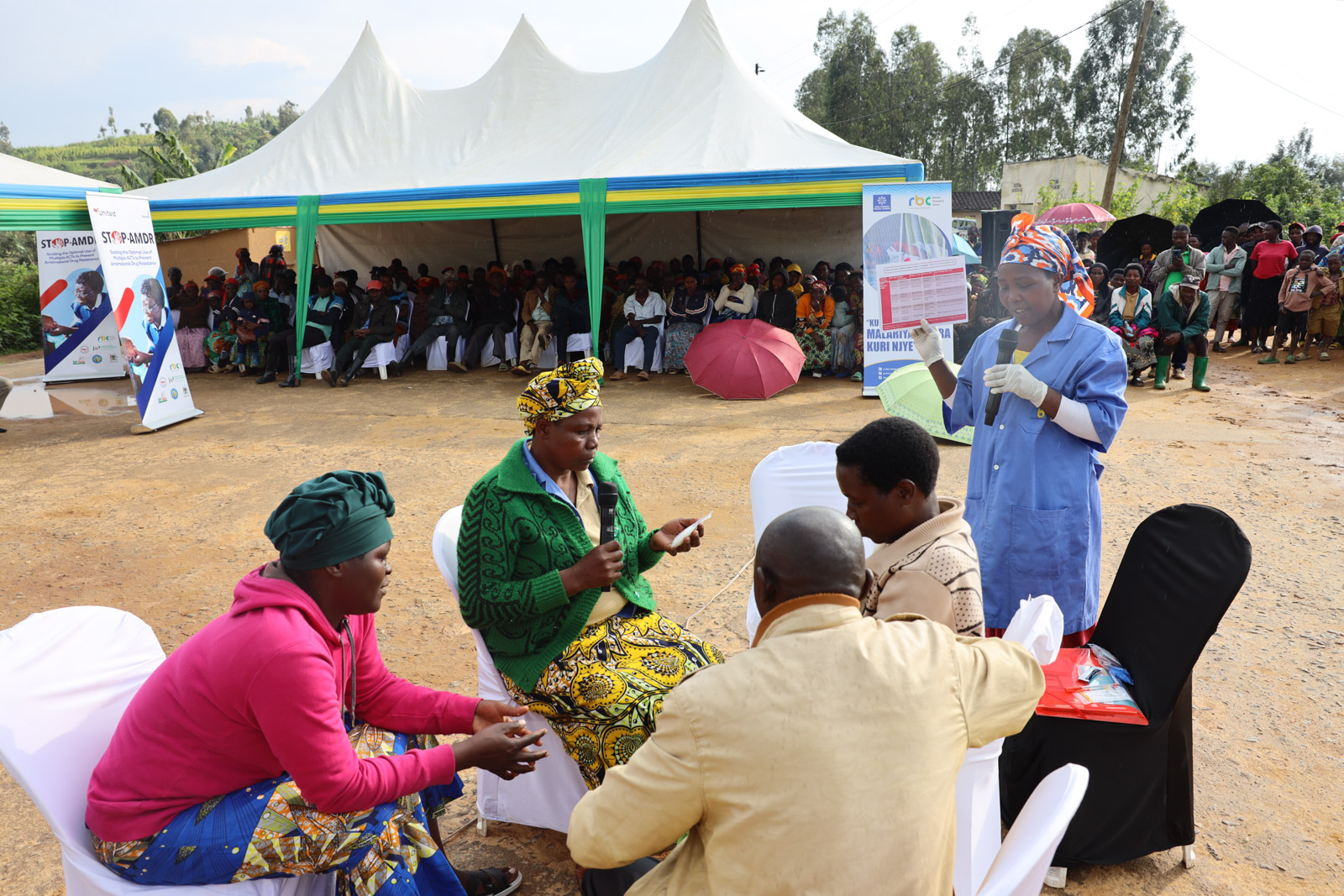
In November 2025, Innocent joined fellow CHWs for a district-wide training organized through the Unitaid funded Scaling the Optimal Use of Multiple Artemisinin-Based Combination Therapy to Prevent Antimalarial Drug Resistance (STOP-AMDR) project. This initiative is being implemented by Jhpiego in collaboration with the Malaria and Other Parasitic Diseases Division / Rwanda Biomedical Centre (MOPDD/RBC)—aims to strengthen frontline malaria care. During the training, CHWs were offered a space to discuss local malaria trends and challenges, refreshed their skills in malaria diagnosis using rapid diagnostic tests (RDTs) and learned how to effectively administer Artesunate/Pyronaridine (ASPY), a new treatment used to manage uncomplicated malaria cases. Representing 94.4% of all CHWs in Musanze District, 1,619 out of the 1,715 targeted were successfully trained.
This training is a key component of Rwanda’s Multiple First Line Treatment (MFT) Strategy, an approach designed to slow the spread of antimalarial drug resistance by rotating three different malaria treatments across designated district blocks each year. Under this strategy, Rwanda adopted the use of multiple antimalarial drugs, ASPY, Dihydroartemisinin-piperaquine (DHAP) and Artemether Lumefantrine (AL), the latter being the standard treatment for uncomplicated malaria for nearly 20 years. Following its recent introduction in early 2025, Musanze District is using ASPY this year as part of the treatment rotation.
To achieve successful implementation of the MFT strategy, Rwanda organized its districts into three blocks, with each block assigned to one of the three malaria drugs AL, ASPY, or DHAP. Each block will use one assigned treatment for a full year, after which the treatments rotate. This rotation model is more effective in deterring and reducing the risk of antimalarial drug resistance by ensuring no single treatment is used continuously.
For Innocent, the training was transformative. He strengthened his skills in RDT use and learned how to follow updated ASPY treatment guidelines under Rwanda’s MFT strategy. Today, he feels fully equipped to diagnose and treat malaria quickly and safely – right at the community level where rapid action matters most.
Not long after the training, Innocent’s new skills were put to the test. A mother called him in panic, her seven-year-old daughter was burning with a high fever. Innocent arrived quickly, performed an RDT which confirmed that the child had malaria. He immediately administered ASPY and counselled the mother on what symptoms to monitor and when to seek care. Within two days, the fever was gone. By day three, the little girl was back in school—smiling, energetic and healthy. For Innocent, this moment was powerful proof of what confidence, knowledge and timely support can achieve.
“This training changed how we fight malaria…with RDTs and ASPY, we treat faster and help protect our medicines from resistance.”
Mwanzarimwabo Innocent
Today, Innocent walks through his community with renewed confidence. Thanks to STOP-AMDR and its committed partners, CHWs like Innocent are now equipped with the tools, knowledge, and confidence to stop malaria where it strikes first—at the community level. Their renewed capacity is helping protect families, strengthen communities, and contribute to the country’s efforts to reduce the malaria burden by staying ahead of drug resistance.
Related Updates
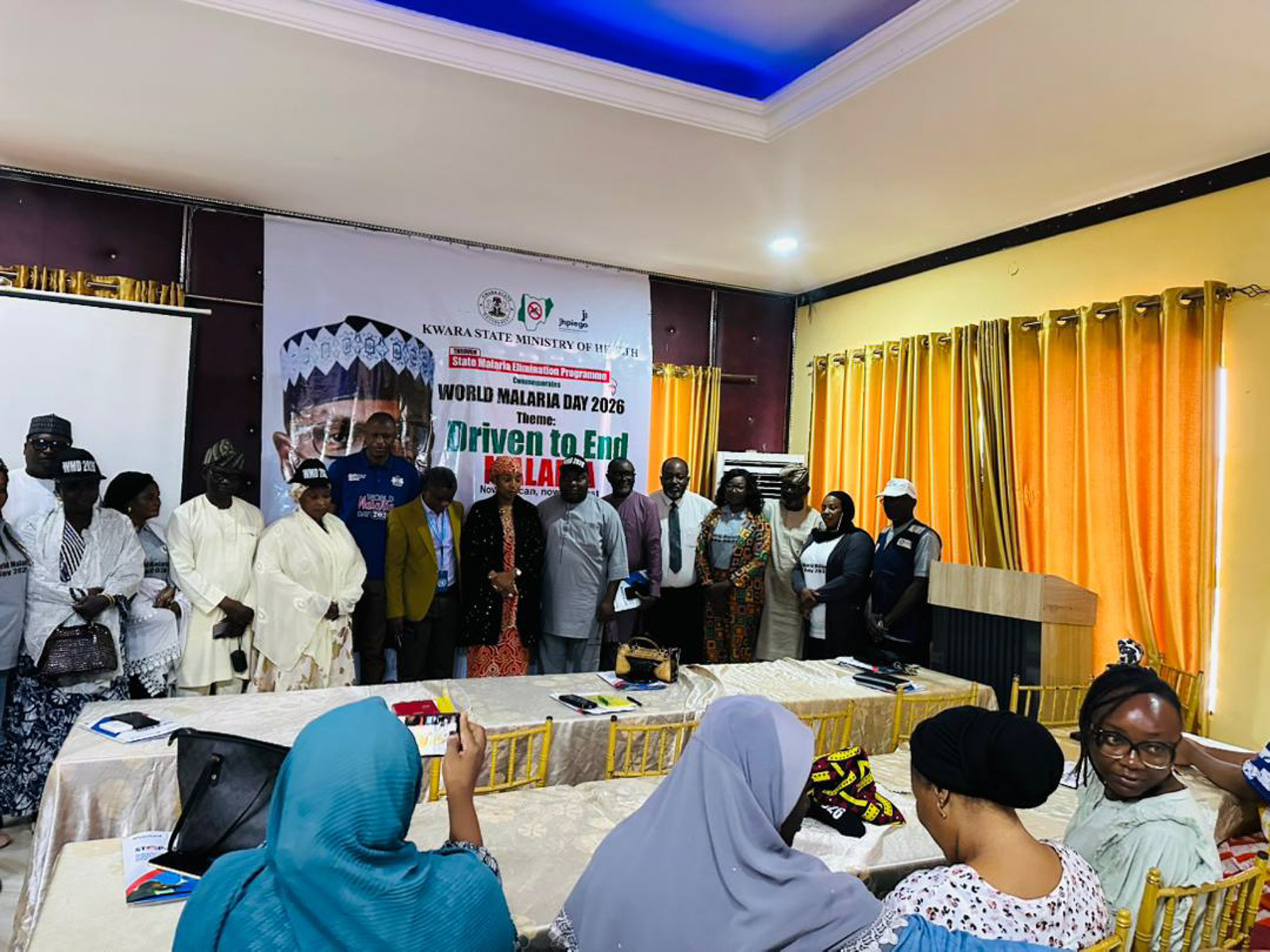
Nigeria Leads the Dialogue on Sustainable Financing for Malaria Elimination in Kwara and Enugu States
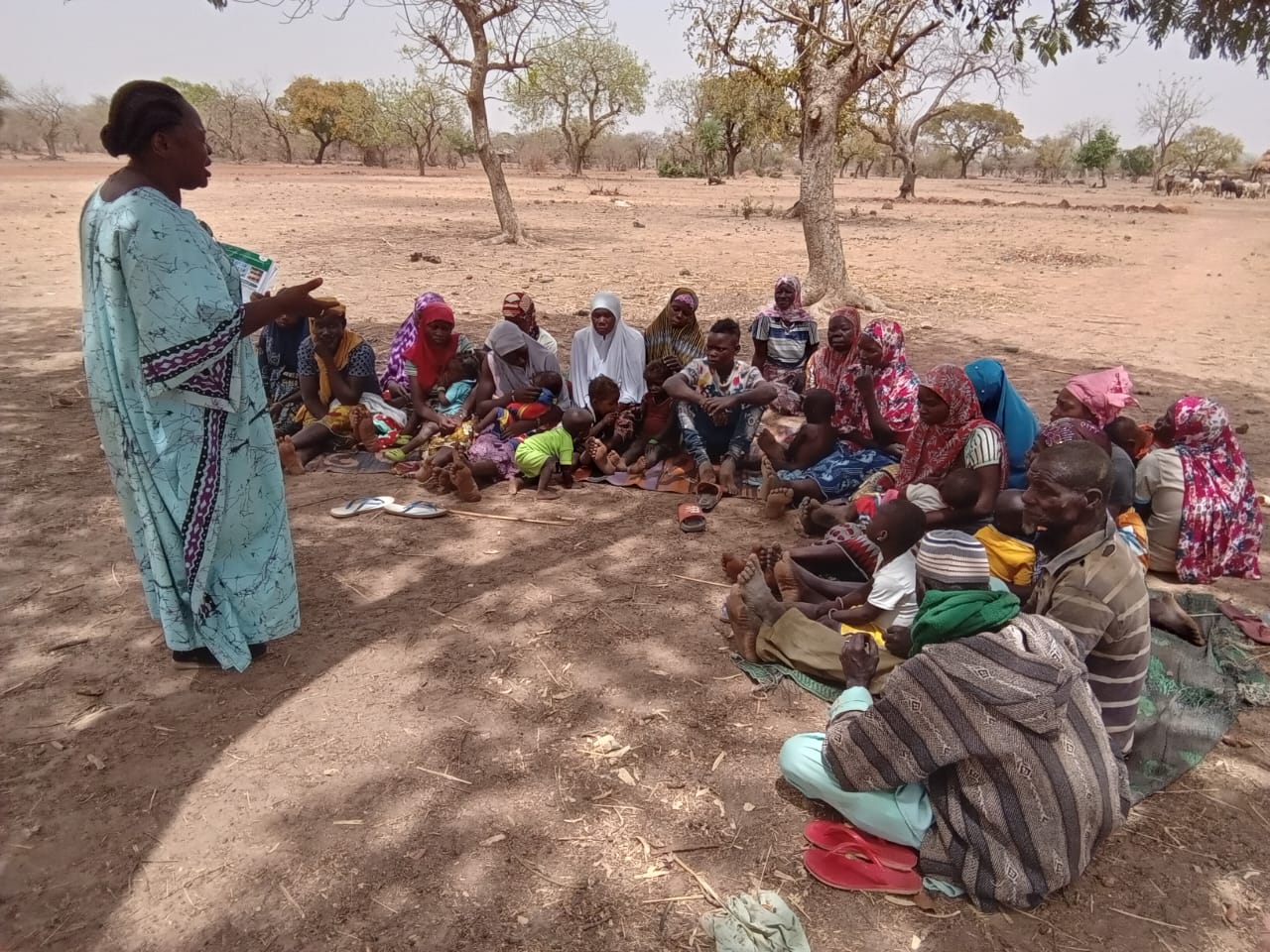
From door to door, Célestine helps families stay protected from malaria
In Burkina Faso’s Pouytenga health district, Célestine Silga moves from household to household with a picture box and a clear…
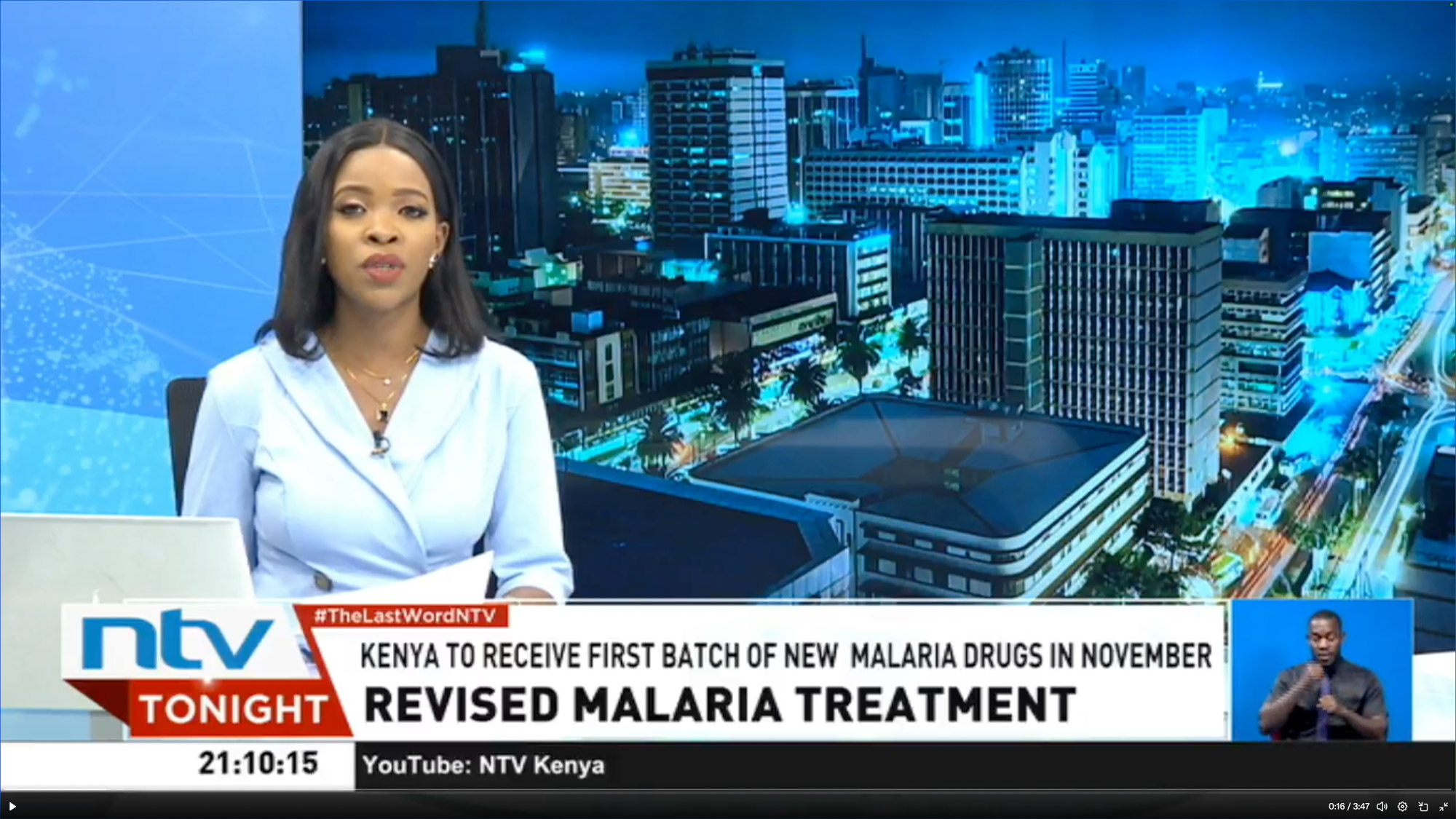
Kenya’s Revised Malaria Treatment
Kenya will receive the first batch of new malaria drugs in November as the country transitions from the current malaria…