Kenya will receive the first batch of new malaria drugs in November as the country transitions from the current malaria…
STOP-AMDR
From door to door, Célestine helps families stay protected from malaria
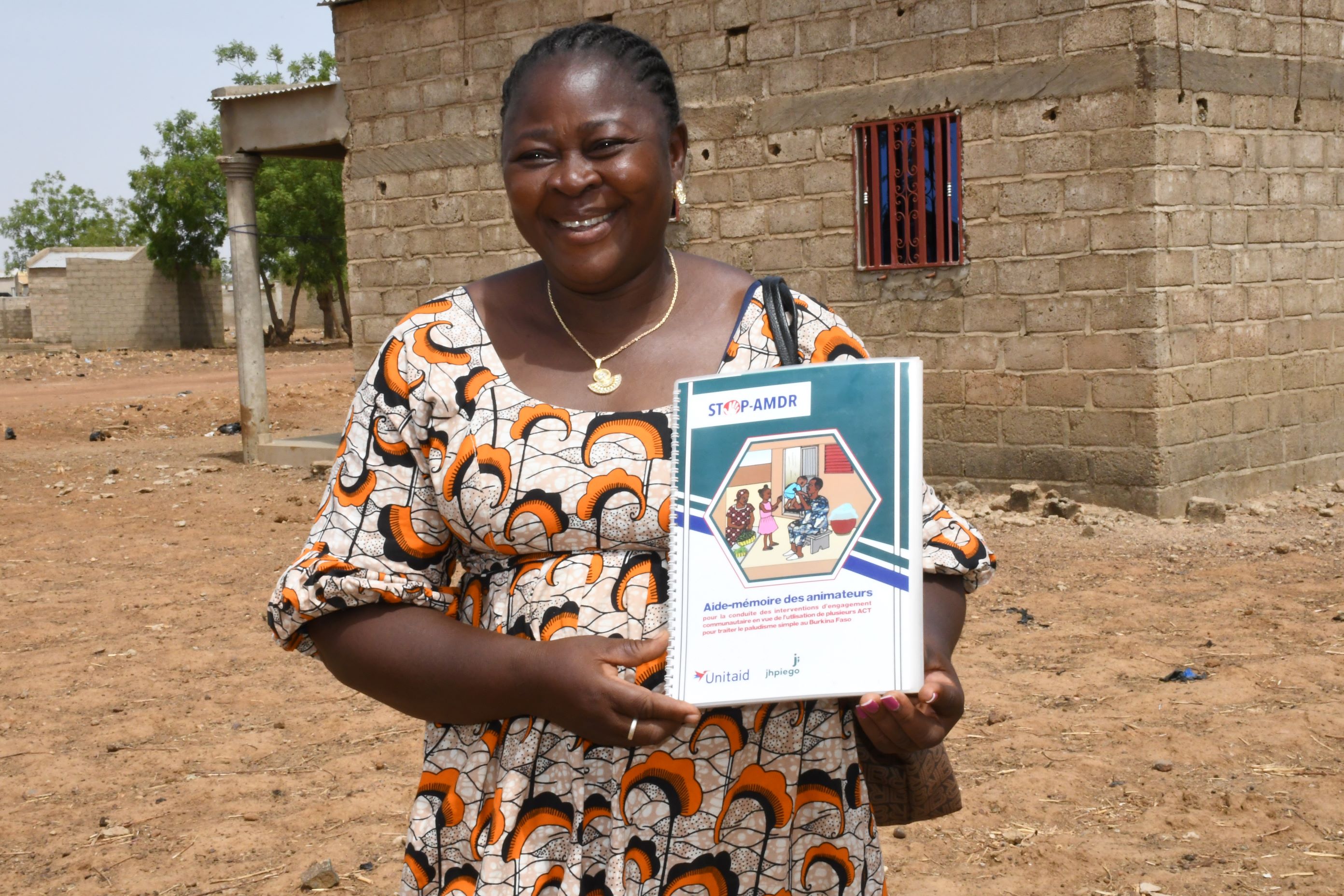
In Burkina Faso’s Pouytenga health district, Célestine Silga moves from household to household with a picture box and a clear purpose: helping families recognize malaria early and seek timely care. As a community facilitator, she is among the women translating prevention messages into practical action across the Nakambé region.
Célestine devotes much of her time to home visits and community awareness sessions, focusing especially on children under five and pregnant women, who are particularly vulnerable to malaria. “When families recognize the signs of the disease early and seek care promptly at the health center, lives are saved,” she says.
By listening to families and working closely with them, Célestine is helping households move away from self-medication and medicines bought on the street and toward timely care at health facilities. During home visits, she explains that self-medication can delay appropriate treatment and lead to complications, especially for children. She also helps families recognize early signs of malaria and understand when to seek care. “Since I began emphasizing the dangers of self-medication, families are starting to understand that going to the health center early can prevent complications and even save lives,” she explains.
For Rachidatou Bagagnan, a mother from Balkiou village in the Pouytenga health district, that support has made a difference. “Malaria is part of daily life in our community, and children suffer the most. Before, when my child had a fever, I did not always recognize the danger. Through the community facilitator’s home visits and explanations, I learned to go to the health center as soon as the first signs appear. I followed the health worker’s advice, my child recovered, and today I feel better prepared to protect my children from severe malaria.”
Yacouba Belem, STOP-AMDR Project Lead at Jhpiego Burkina Faso, places Célestine’s work within a broader strategy: “Our approach combines community engagement, stronger health systems, and partnership with national authorities. Community facilitators help families recognize malaria early, understand the risks of self-medication, and seek appropriate care. This connection between communities and health services is central to reducing the burden of malaria.”
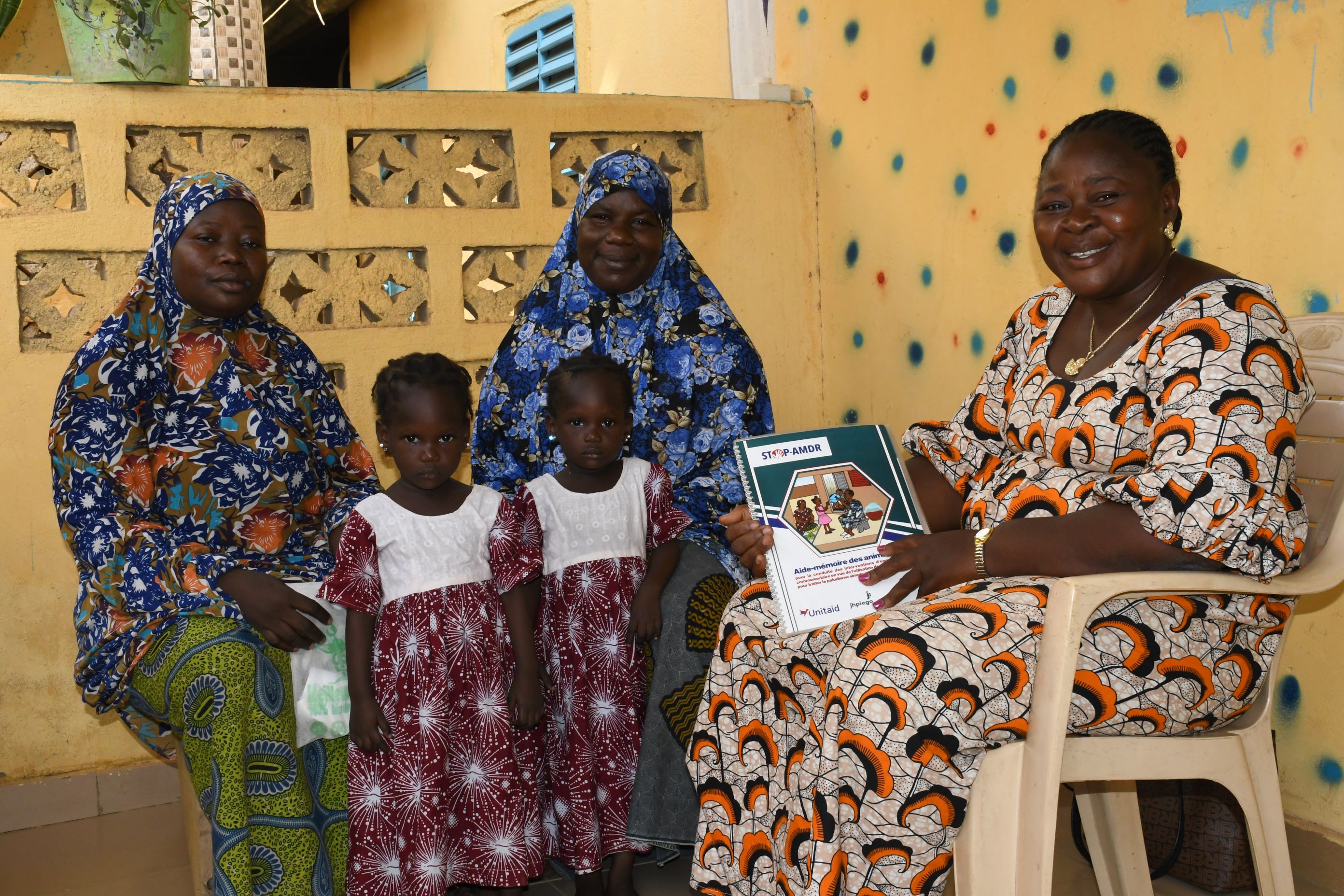
Célestine’s community-level work supports national efforts led by Burkina Faso’s Permanent Secretariat for Malaria Elimination (SP/Palu), which provides strategic direction and coordination for malaria control. Through STOP-AMDR, implemented by Jhpiego in collaboration with SP/Palu, 24 community facilitators have received the training, tools, and support needed to put national strategies into practice reaching over 300 households and communities across eight districts.
Célestine Silga continues to move from home to home with a simple conviction: malaria elimination begins when families have the knowledge and confidence to act early. Her work shows how national strategies become meaningful when trusted community facilitators help people protect their own health.
Related Updates
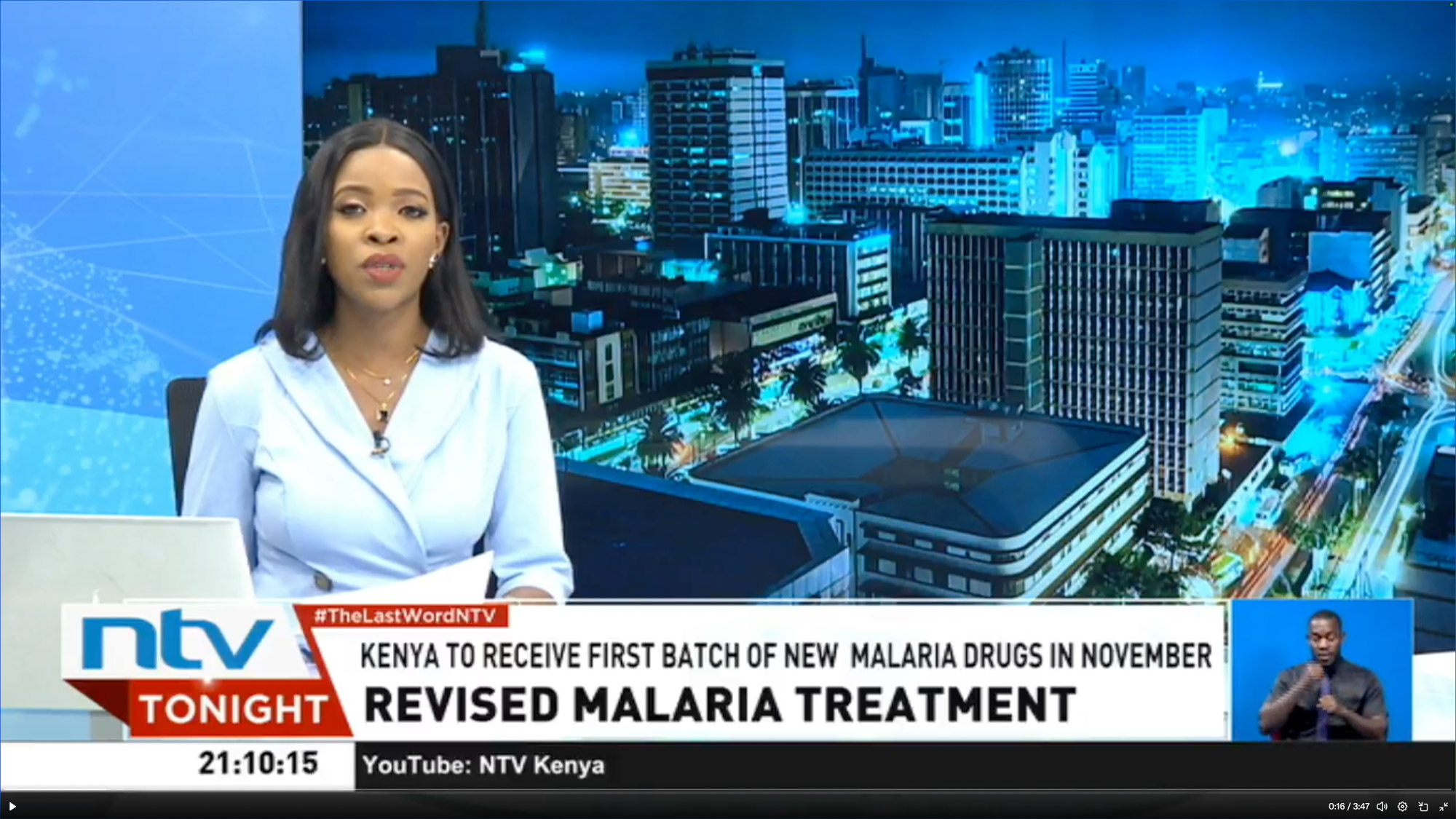
Kenya’s Revised Malaria Treatment
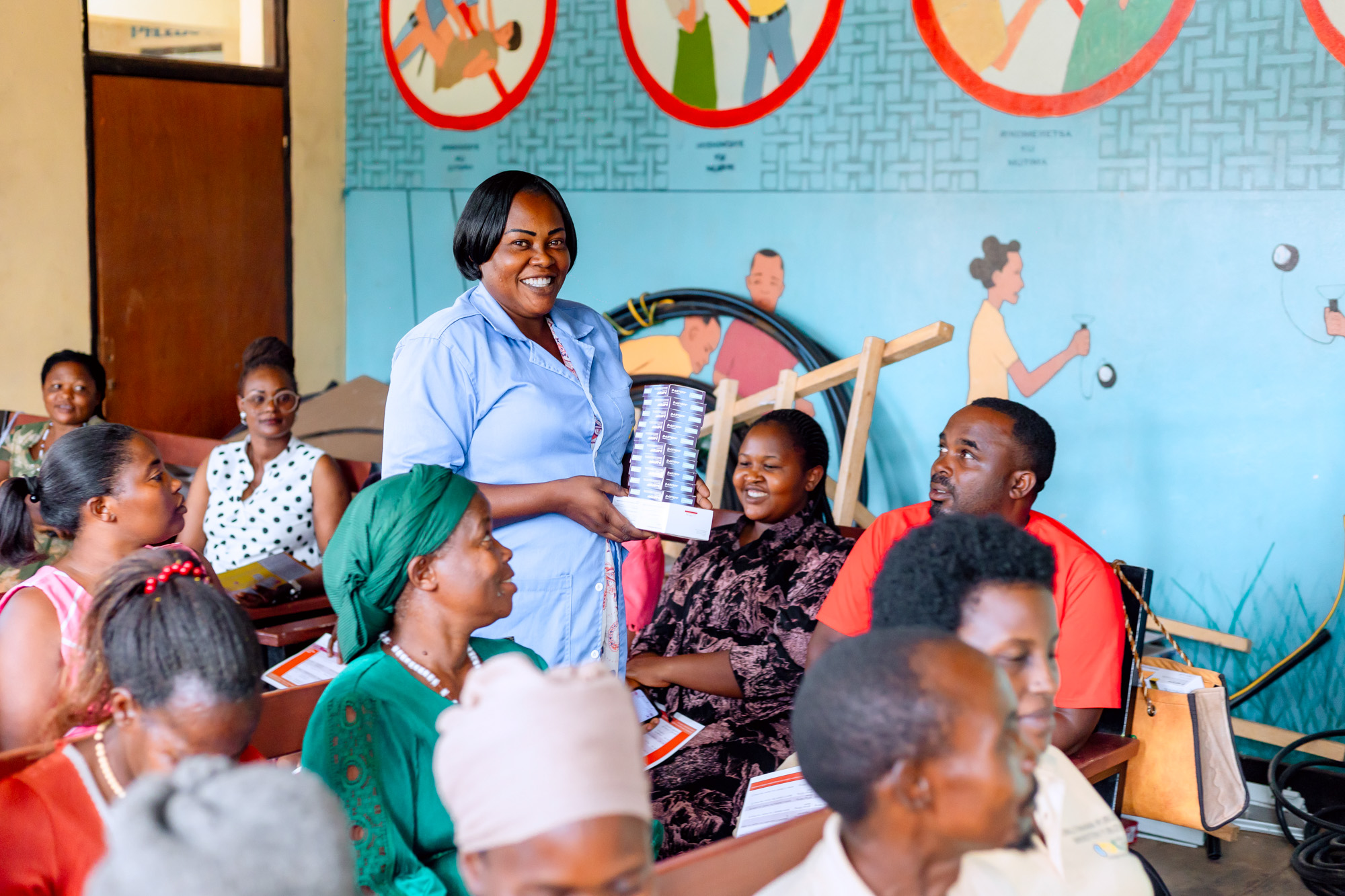
Rotating Malaria Treatments to Stay Ahead of Resistance: Lessons from Rwanda
Since 2020, molecular surveillance and therapeutic efficacy evidence have pointed to the emergence of artemisinin resistance in Rwanda, threatening the…
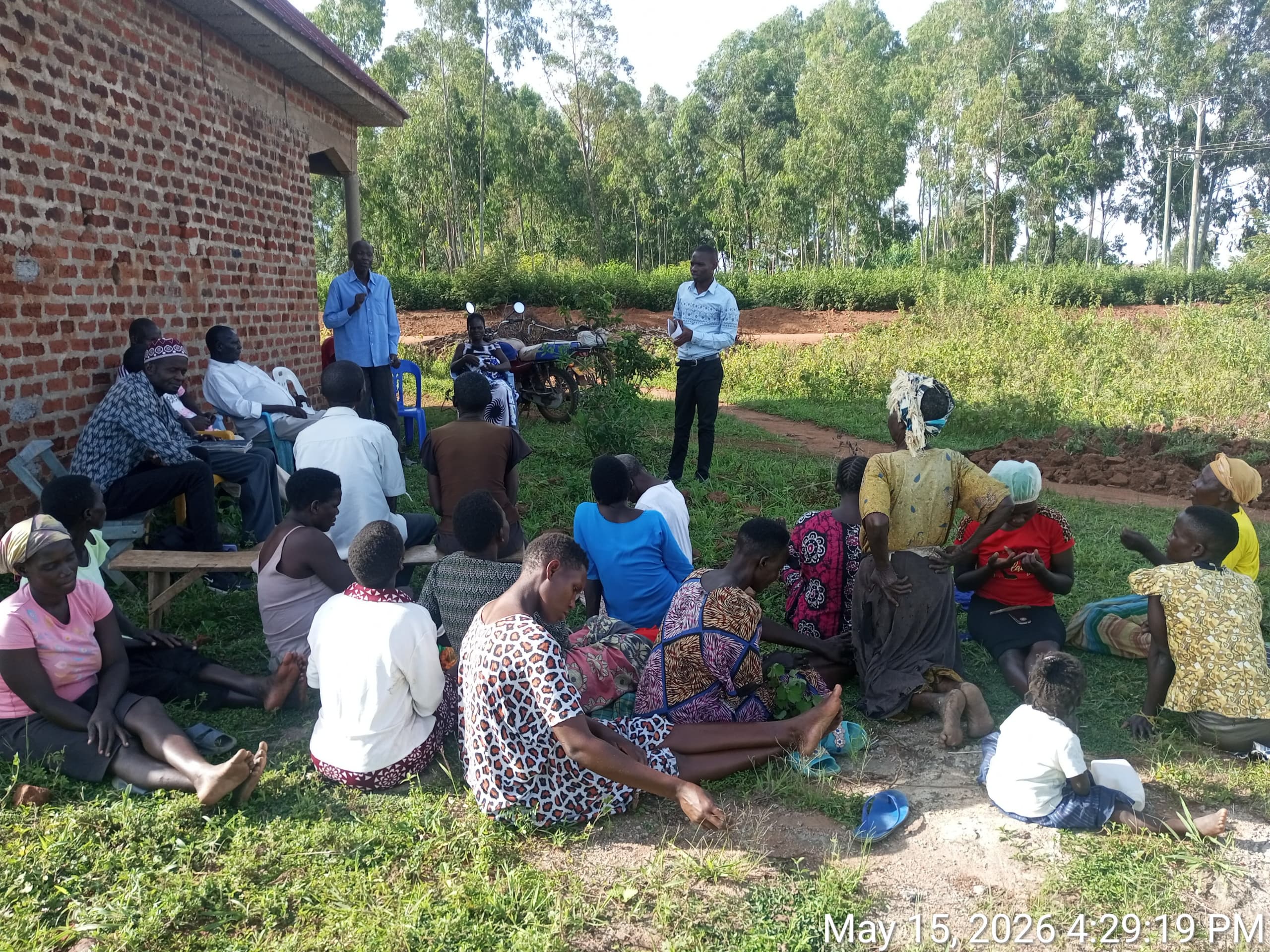
Uganda Builds a Coordinated Response to Protect Malaria Treatment Effectiveness
Across Uganda, malaria remains a daily reality for families and health workers. For years, artemether-lumefantrine (AL) has been the trusted…