Across Uganda, malaria remains a daily reality for families and health workers. For years, artemether-lumefantrine (AL) has been the trusted…
STOP-AMDR
Rotating Malaria Treatments to Stay Ahead of Resistance: Lessons from Rwanda
Since 2020, molecular surveillance and therapeutic efficacy evidence have pointed to the emergence of artemisinin resistance in Rwanda, threatening the effectiveness of life-saving antimalarial medicines and the country’s malaria control gains.
In response, Rwanda adopted a Multiple First-Line Therapies (MFT) strategy in 2025, drawing on national evidence and global guidance. MFT uses more than one first-line artemisinin-based combination therapy (ACT) within the same population. Rwanda’s model divides districts into three geographic blocks and rotates artemether-lumefantrine (AL), dihydroartemisinin-piperaquine (DHAP), and artesunate-pyronaridine (ASPY) across the blocks over a three-year cycle. Each block uses one ACT as its primary first-line treatment for a full year before rotating to another.
Rwanda launched the first year of nationwide rotation in September 2025 through the Rwanda Biomedical Centre’s Malaria and Other Parasitic Diseases Division (RBC/MOPDD), with support from the Unitaid-funded Scaling the Optimal Use of Multiple ACTs to Prevent Antimalarial Drug Resistance STOP-AMDR project implemented by Jhpiego. Moving into Year II has tested not only the policy design, but also the operational systems needed to change treatments safely and consistently across the country.
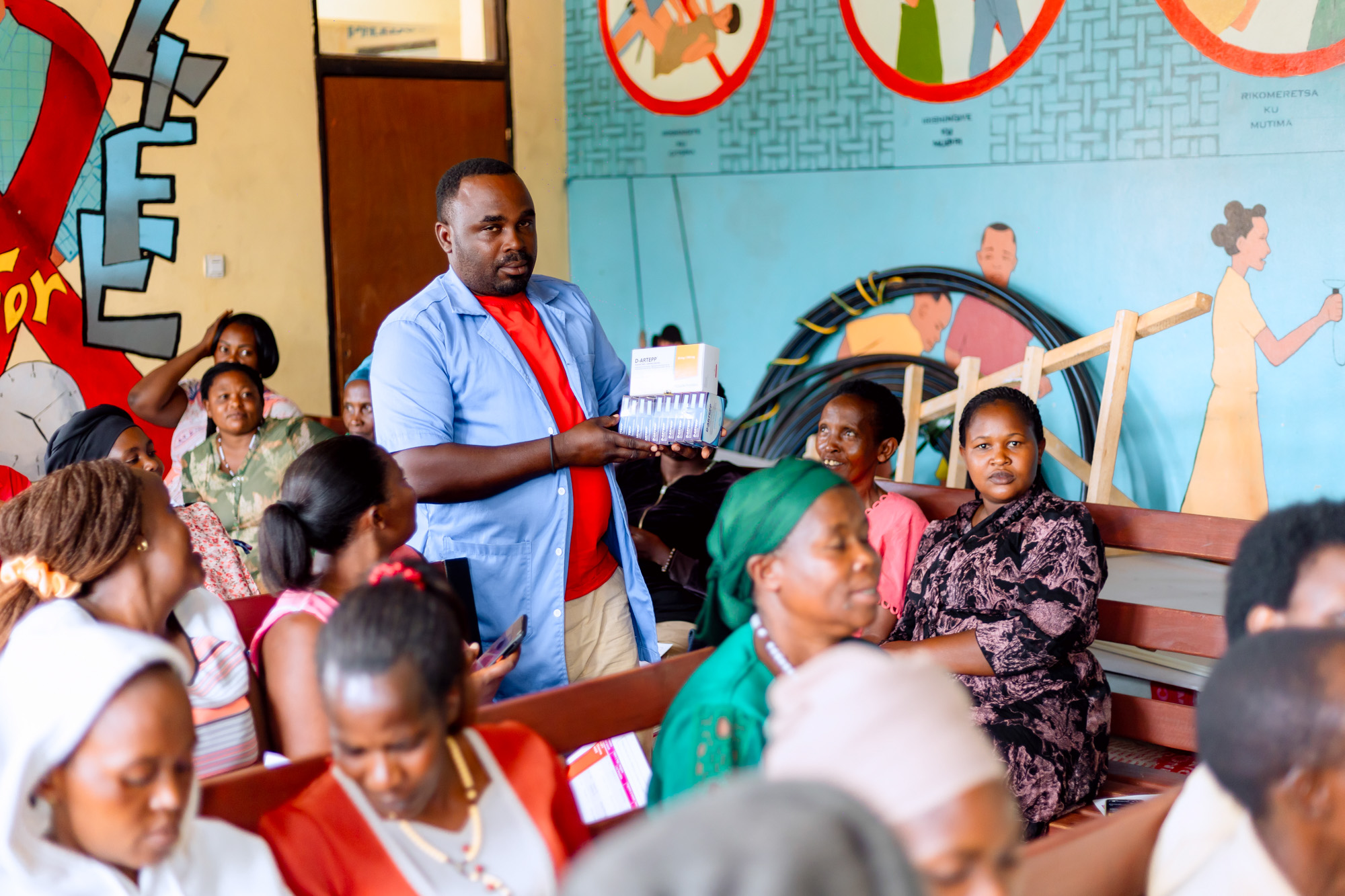
This experience offers practical lessons for countries considering MFTs: begin transition planning early, align supply-chain and clinical systems, prepare each level of the health system, and use implementation data to adapt. Rwanda’s Year II preparations included redesignating district blocks and their assigned ACTs, planning reverse logistics, and stock redistribution, reviewing social and behaviour change materials, and coordinating the rollout from national to community level.
Lesson 1: Plan the medicine transition before the rotation begins
On 31 August 2026, a preparation meeting at Rwanda Medical Supply (RMS) headquarters reviewed the Year II rotation plan and its operational requirements. RMS confirmed that its decentralized branches were ready to support commodity distribution and reverse logistics. Partners also agreed on eligibility criteria and documentation for returned ACTs so that usable stock could be reconciled and redistributed across MFT blocks. The lesson is clear: the changeover must be treated as a managed supply-chain transition, not simply a clinical policy update.
Lesson 2: Build alignment before decentralized rollout
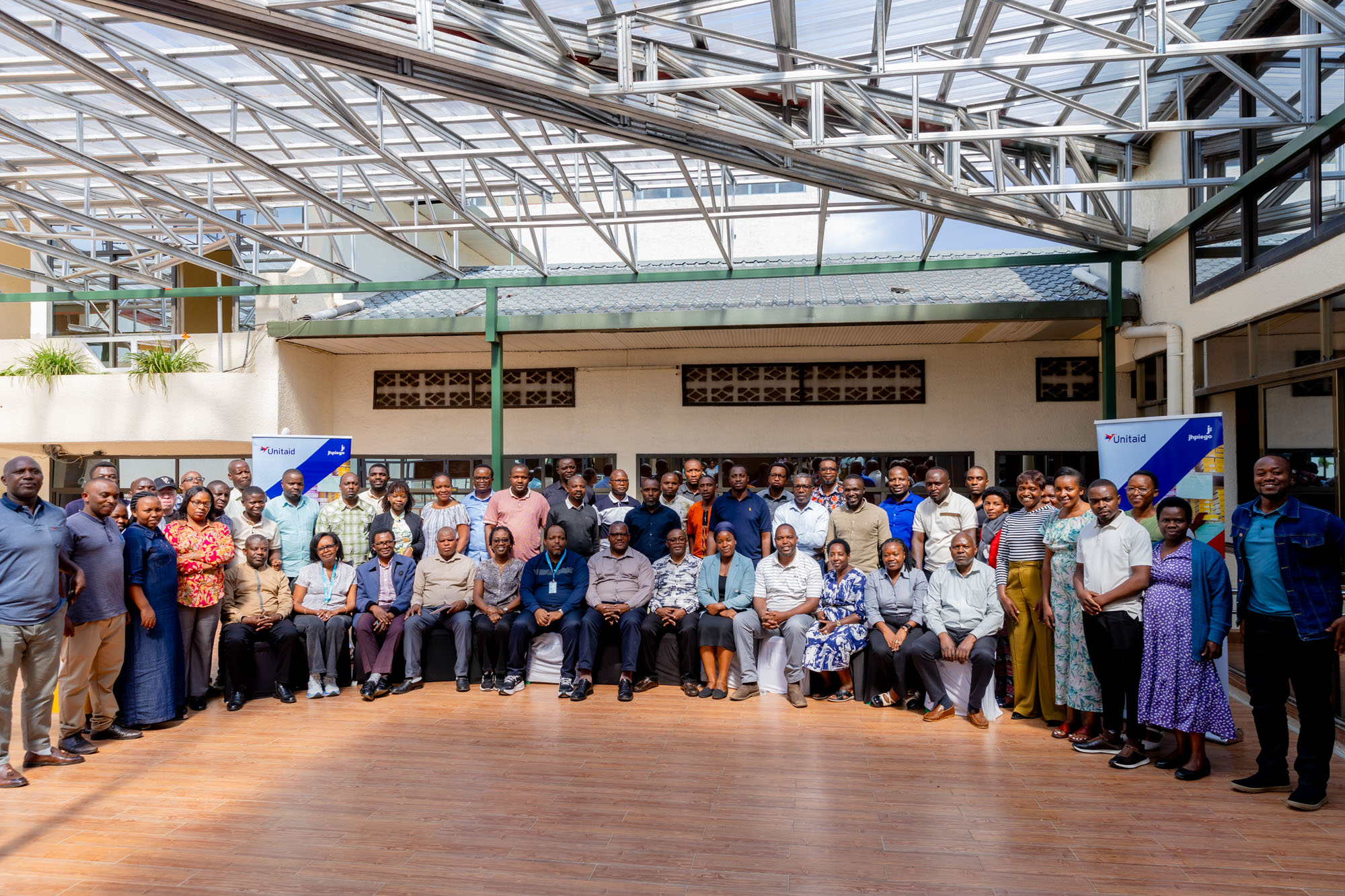
On 28 September 2026, a national coordination meeting brought together 30 participants from RBC/MOPDD and key stakeholders to review and validate Year II implementation materials. Participants agreed on the content and dissemination of guidance for provincial, facility, and community levels, helping ensure that implementers received consistent clinical, operational, and communication messages before rollout.
Lesson 3: Use a cascade that connects national policy to frontline delivery
From 28 September to 2 October 2026, provincial-level sessions brought together 290 participants from all 30 districts, including hospital directors general, community health worker supervisors, malaria supervisors, data managers, district health leaders, and RMS branch managers. Sessions introduced the new block assignments and covered treatment and prescribing practices, medicine reversal procedures, and community implementation plans.
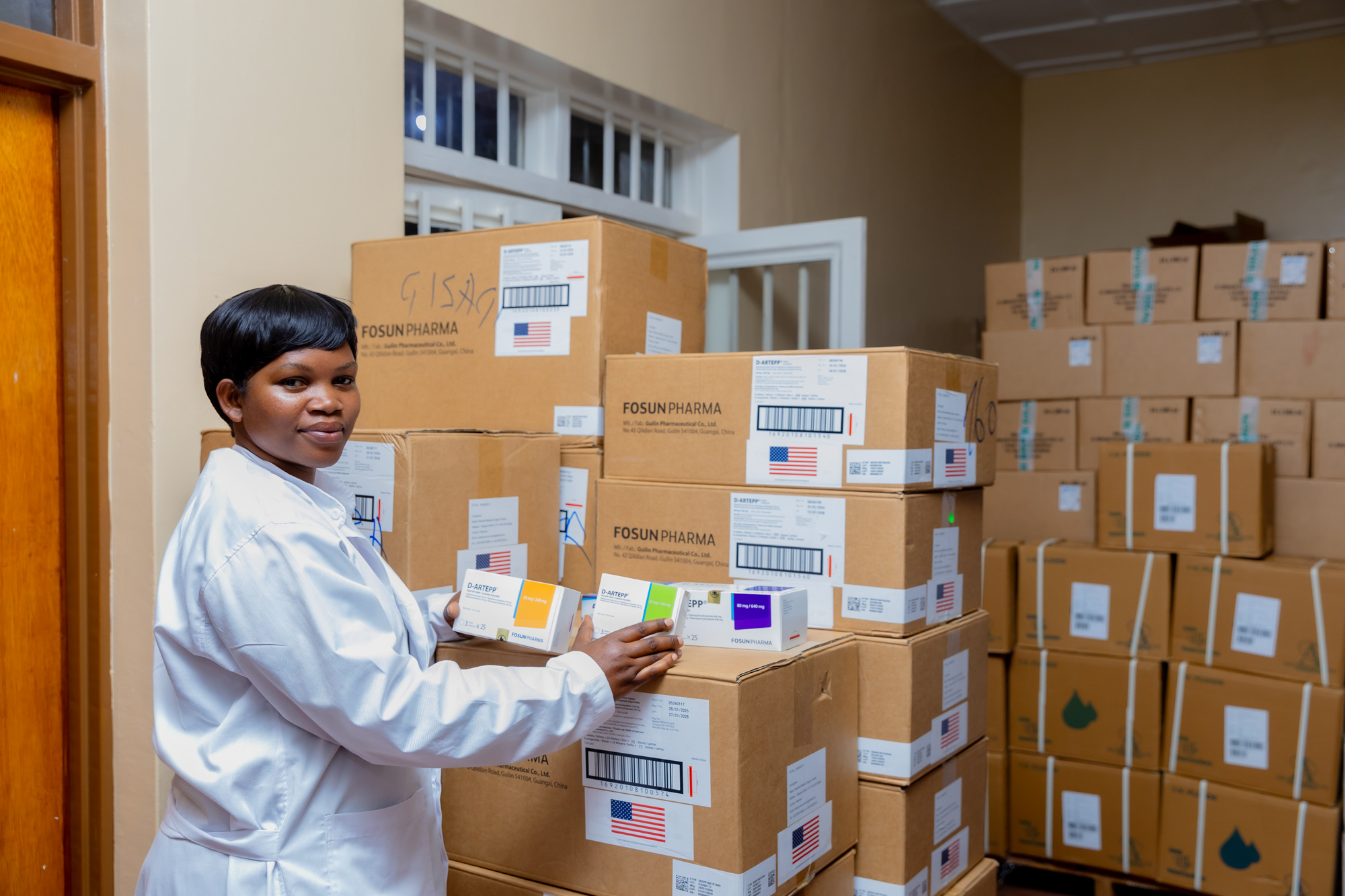

Extending the rollout to districts and communities
From 6 October to 6 November 2026, RBC/MOPDD, STOP-AMDR, civil society organizations, and district hospitals coordinated the district- and community-level rollout, including activities in four STOP-AMDR-supported districts. Participants included health-post managers, district health leaders, private-clinic representatives, and health-care providers. This step translated national guidance into locally coordinated action and helped connect public, private, and community delivery channels.
Lesson 4: Update information systems alongside the medicines
A key development in Year II is the integration of the incoming ACT into Rwanda’s community electronic medical record system. Community health workers can now document use of the rotated treatment digitally, improving traceability, strengthening data quality, and enabling closer monitoring of treatment patterns at the last mile. Refresher training for community health workers has therefore combined clinical guidance, social and behaviour change messages, use of block-assigned ACTs, and stock reconciliation and redistribution.
What Rwanda’s experience shows
Rwanda’s move into Year II shows that MFT rotation is not a one-time emergency response. It is a long-term policy shift that must be embedded across treatment guidelines, procurement and supply chains, training, communication, digital reporting, and routine monitoring. The phased approach also creates a learning cycle: implementation evidence can be used to adjust block assignments, operational processes, and support needs as malaria epidemiology and resistance patterns evolve. For other countries considering MFTs, Rwanda’s experience underscores that sustaining multiple first-line treatments depends as much on coordinated systems and adaptive management as it does on selecting the medicines themselves.
Related Updates
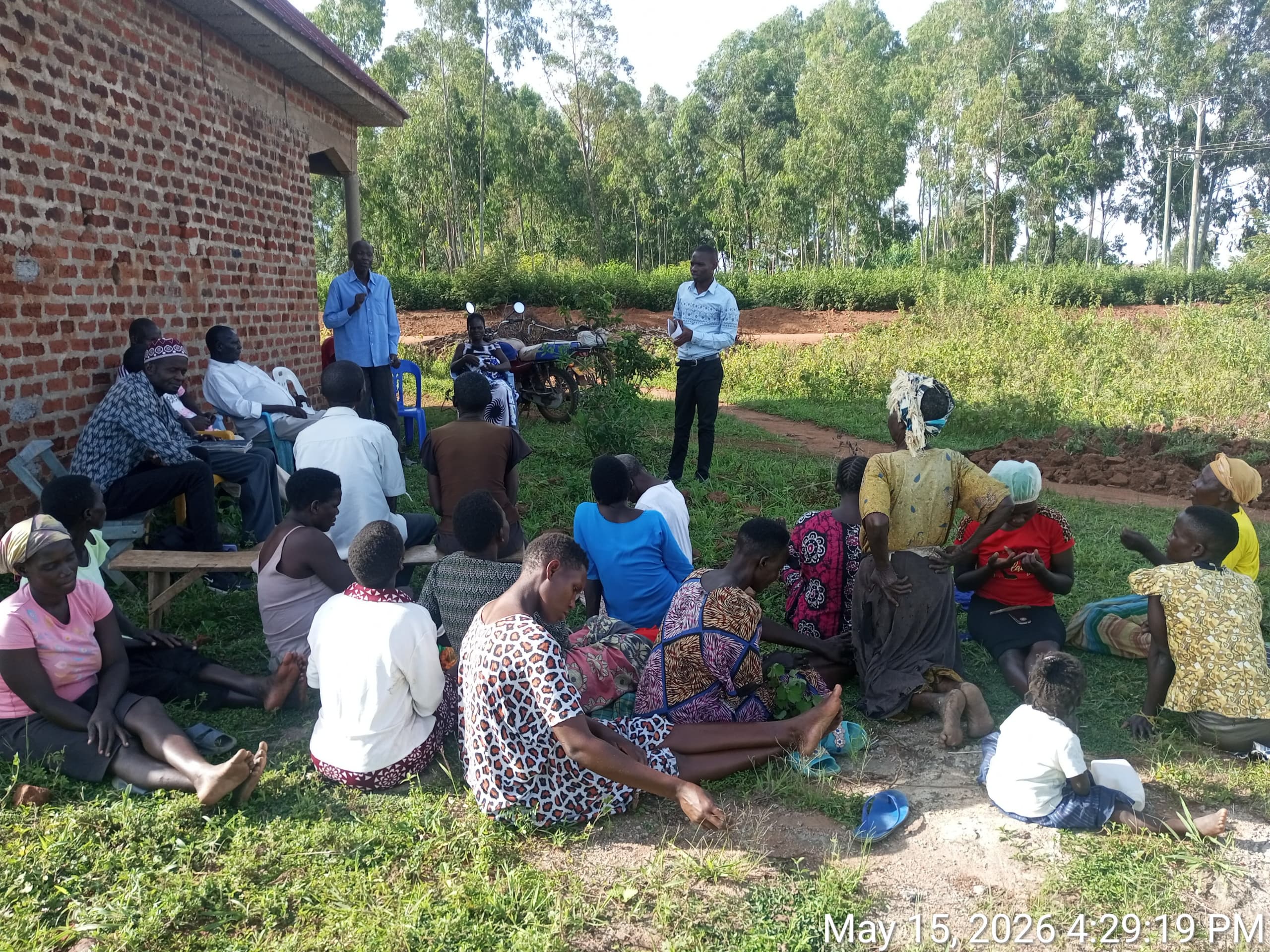
Uganda Builds a Coordinated Response to Protect Malaria Treatment Effectiveness
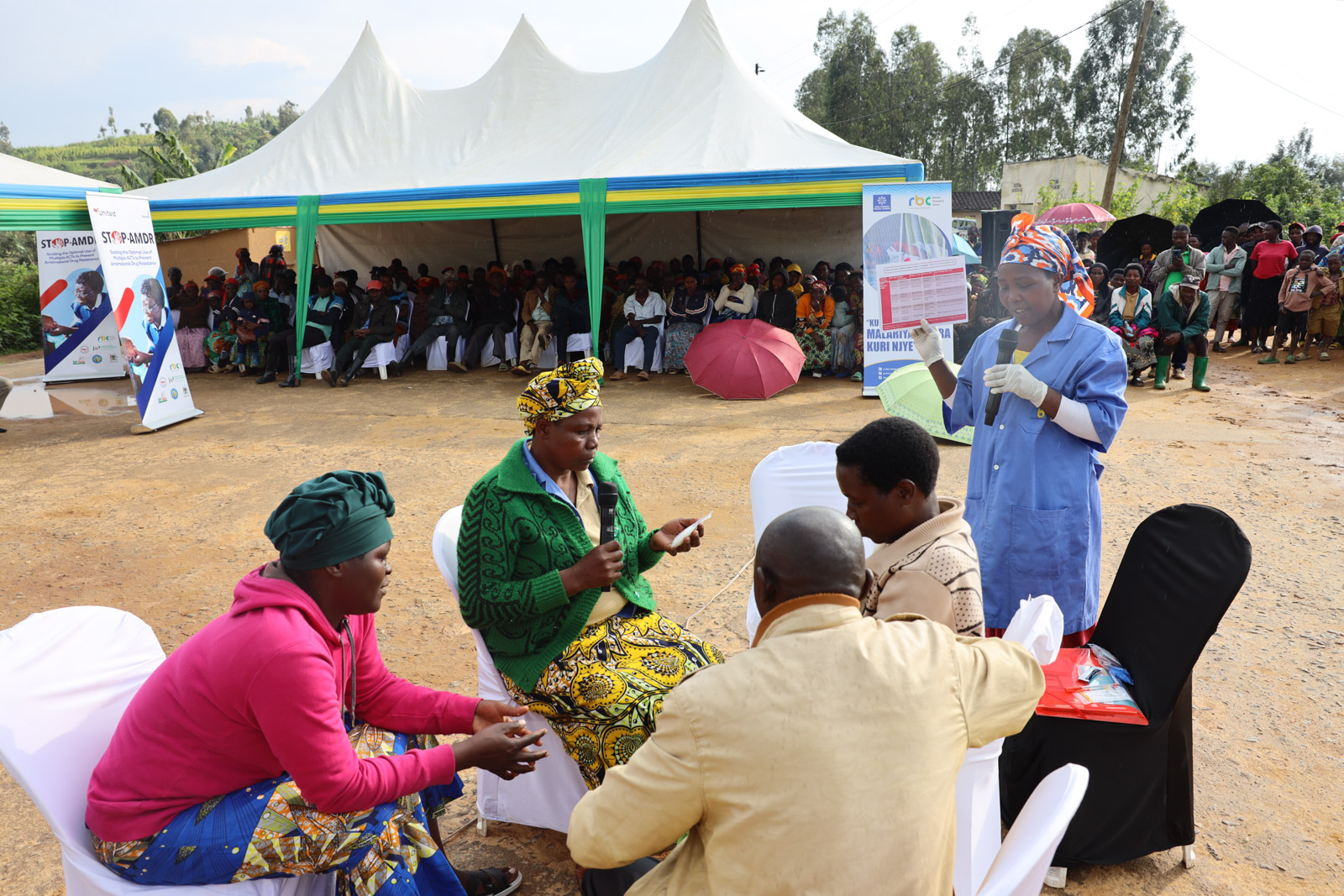
Empowering Community Health Workers to Protect Rwanda from Malaria Resistance
For more than 12 years, Mwanzarimwabo Innocent has been the heartbeat of Mataba village located in Musezero cell, Rwaza sector…
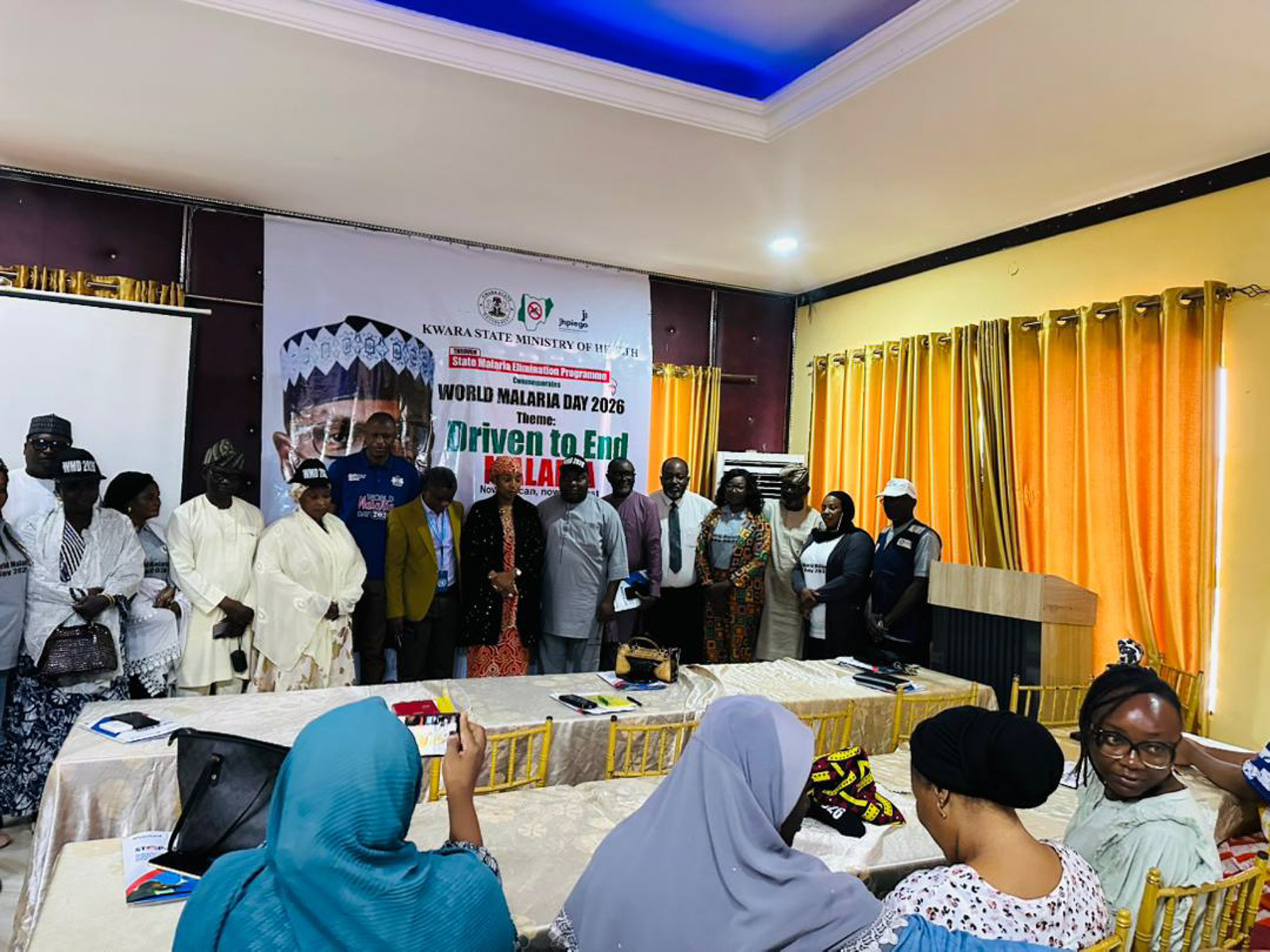
Nigeria Leads the Dialogue on Sustainable Financing for Malaria Elimination in Kwara and Enugu States
A state-led financing dialogue is helping Kwara and Enugu States mobilize partnerships and practical solutions to sustain malaria elimination and…