For more than 12 years, Mwanzarimwabo Innocent has been the heartbeat of Mataba village located in Musezero cell, Rwaza sector…
STOP-AMDR
Uganda Builds a Coordinated Response to Protect Malaria Treatment Effectiveness
Across Uganda, malaria remains a daily reality for families and health workers. For years, artemether-lumefantrine (AL) has been the trusted first-line treatment, helping save millions of lives. But emerging resistance to AL now threatens to weaken one of Uganda’s most important tools for preventing severe illness and death from malaria.
Uganda is meeting this challenge through a government-led response designed to protect today’s malaria treatments while preparing the health system for the future. The Ministry of Health’s National Malaria Elimination Division (NMED) is leading implementation of the National Strategy to Respond to Antimalarial Drug Resistance (2025–2030), with multiple first-line therapies (MFTs) at its core. Through MFTs, different artemisinin-based combination therapies are deployed strategically across populations and geographies to preserve treatment effectiveness and slow the emergence of resistance. To generate practical evidence for national scale-up, this approach is being tested through implementation research in Busia and Buikwe districts under the Unitaid-funded Scaling the Optimal Use of Multiple ACTs to Prevent Antimalarial Drug Resistance (STOP-AMDR) project.
A Government-Led Solution Built Through Partnership
With support from Jhpiego through the STOP-AMDR project, the Ministry of Health built a coordinated national-to-district response. Government leadership guided the training cascade, aligned partners, and issued national guidance on the introduction of MFTs, ensuring that health workers and community health workers received clear, consistent messages on how to implement the new treatment approach.
This coordinated foundation began with close collaboration between Jhpiego and MOH/NMED to design and deliver national and subnational trainings. Together, the teams developed and finalized a comprehensive training package, including job aids, a training guide, a facilitator manual, and a trainee manual. Social and behavior change materials were also prepared, including a Community and Civil Society Engagement (CCSE) plan, a demand generation agenda, a CCSE toolkit, and a national SBC rollout plan focused on antimalarial drug resistance (AMDR) and MFTs.
The training cascade moved from a national training of trainers to regional and district-level rollouts in Busia and Buikwe. By engaging clinicians, district health teams, private-sector providers, community health workers, civil society organizations, local leaders, and community influencers, the response connected correct clinical practice with community trust—two elements essential for successful adoption of MFTs.
Early Results: From Training to Action
The coordinated rollout reached 2,092 participants across the public and private sectors: 187 through the national training of trainers, 1,248 through regional rollouts, and 657 through district trainings in the two pilot districts. As a result, doctors, nurses, midwives, laboratory staff, community health workers, and other malaria service providers now have a shared understanding of Uganda’s response to drug resistance and their role in protecting the effectiveness of antimalarial medicines.
“Training on multiple first-line therapies and antimalarial drug resistance has been needed here for a long time. My health facility workplan needs to change so that I include the gaps identified. Thank you to the Ministry of Health and Jhpiego.”
Sofia, Health Centre III in Busia
The effects are already extending beyond the training room. Trained front-line health workers have begun leading continuing medical education sessions in their own facilities, sharing knowledge with colleagues who did not attend the initial trainings. Planned on-site mentorship and supportive supervision will help reinforce correct practice, while coordinated distribution through the National Medical Stores and Joint Medical Store will help ensure that trained providers have access to the medicines they need.
At Sofia Health Center III in Busia, the training translated quickly into facility-level action. After identifying gaps in mitigating antimalarial drug resistance and implementing the new treatment approach, facility leadership revised its workplan to strengthen readiness for MFT implementation. This practical response shows how national policy is beginning to influence day-to-day planning where patients receive care.
Uganda’s experience demonstrates how strong government leadership, coordinated technical support, and community engagement can turn a national strategy into local action. As the country continues to advance its AMDR response, sustained investment in mentorship, reliable supply chains, and community engagement will be critical to maintaining momentum and realizing the promise of multiple first-line therapies at scale.
Photo caption: Health workers participating in Multiple First-line Therapy/ARM training. [Buikwe, Photo credit- Jhpiego]
Photo caption: Community sensitization session on AMDR and MFT in Hasyule Parish Lumino Sub-county by health assistant [Busia, Photo credit- Jhpiego]
Related Updates
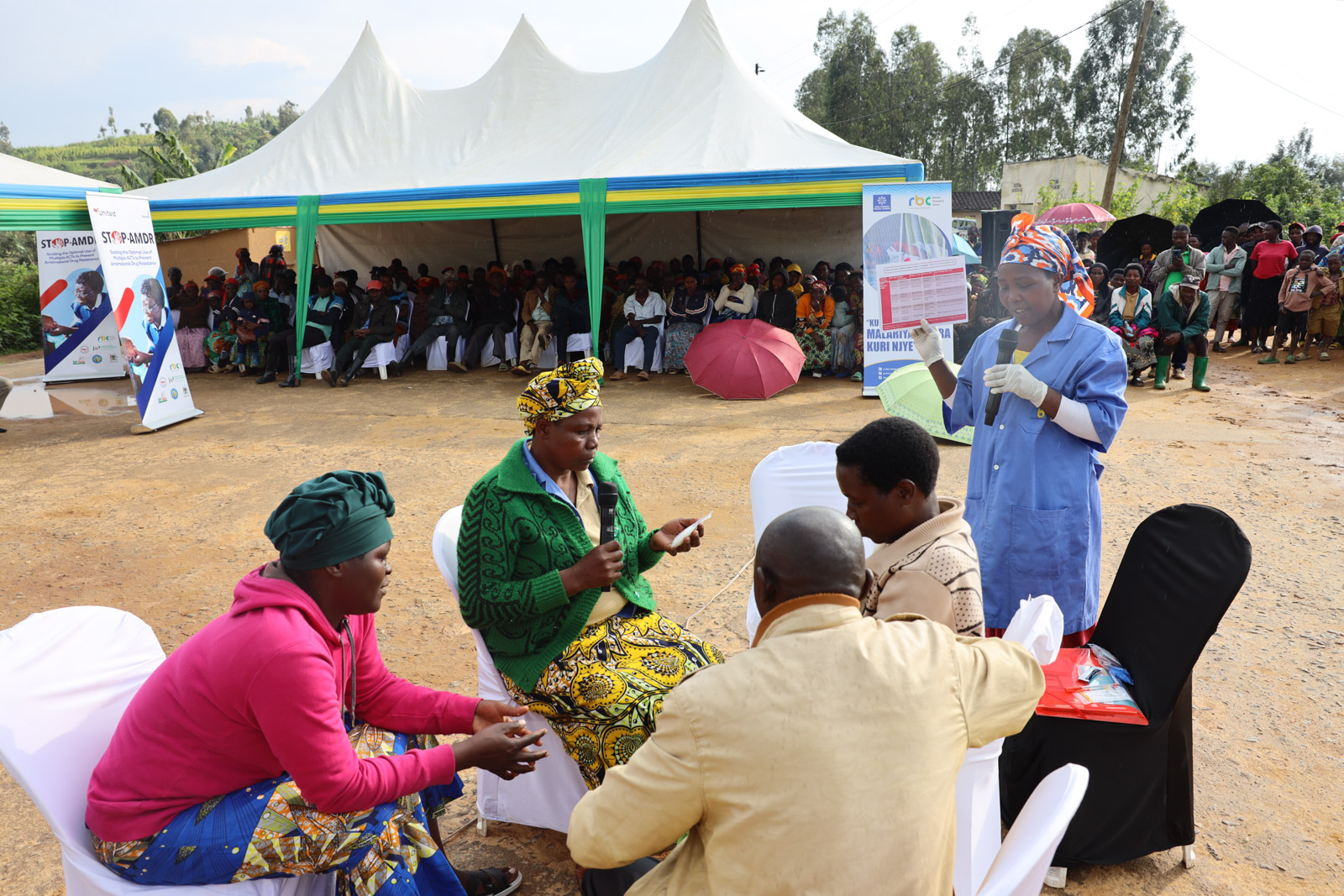
Empowering Community Health Workers to Protect Rwanda from Malaria Resistance
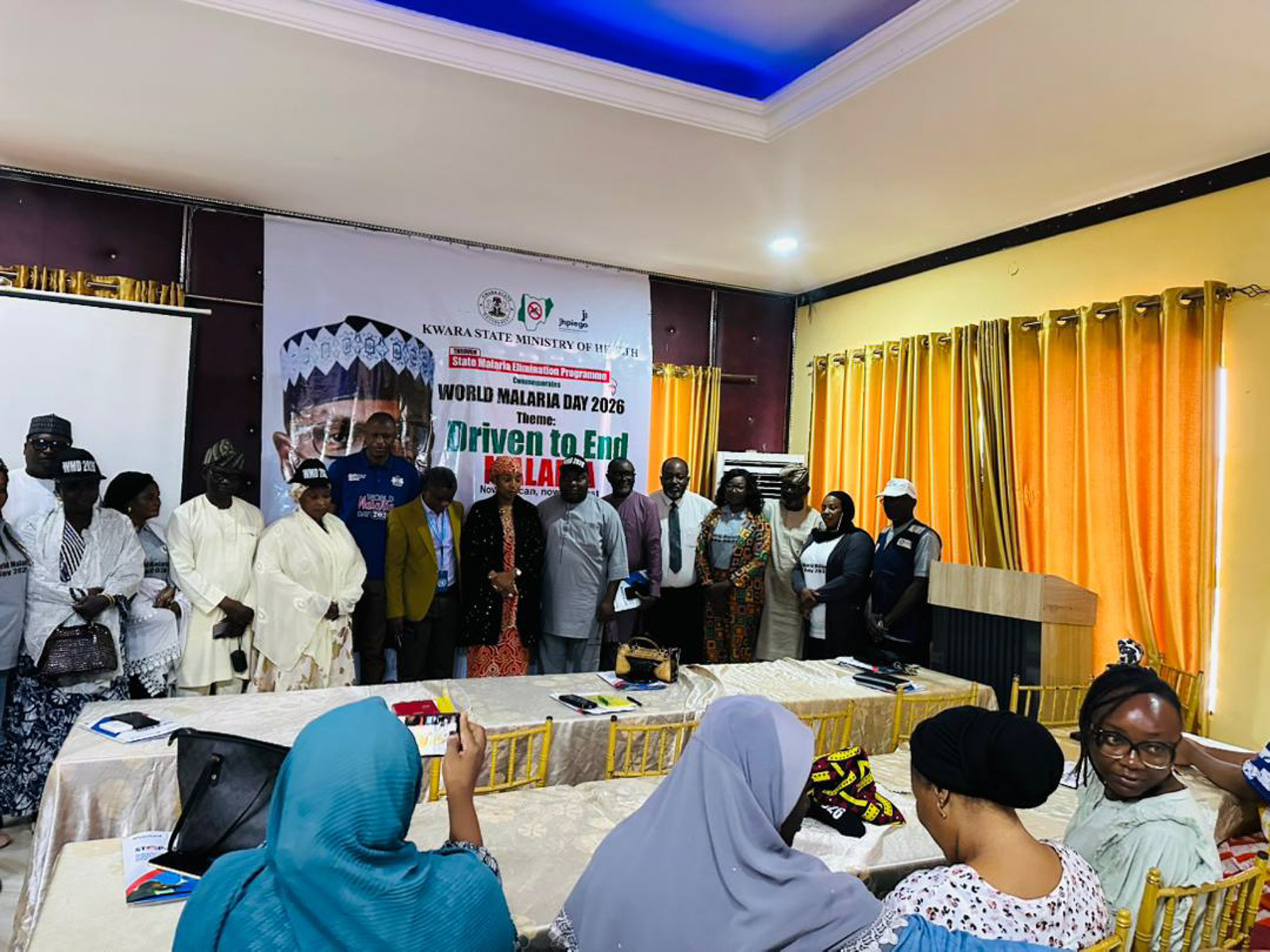
Nigeria Leads the Dialogue on Sustainable Financing for Malaria Elimination in Kwara and Enugu States
A state-led financing dialogue is helping Kwara and Enugu States mobilize partnerships and practical solutions to sustain malaria elimination and…
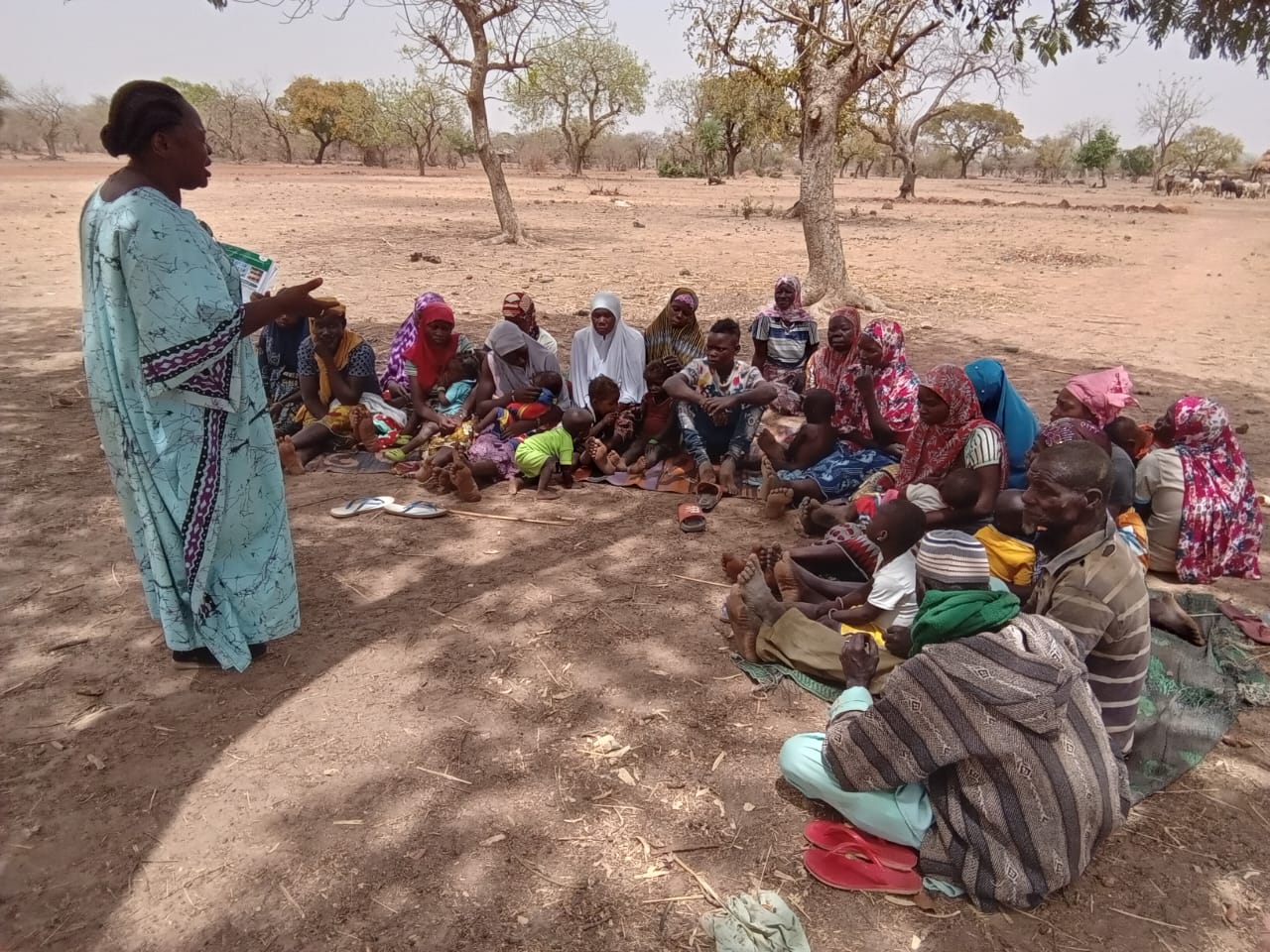
From door to door, Célestine helps families stay protected from malaria
In Burkina Faso’s Pouytenga health district, Célestine Silga moves from household to household with a picture box and a clear…