In Burkina Faso’s Pouytenga health district, Célestine Silga moves from household to household with a picture box and a clear…
STOP-AMDR
Nigeria Leads the Dialogue on Sustainable Financing for Malaria Elimination in Kwara and Enugu States
A state-led financing dialogue is helping Kwara and Enugu States mobilize partnerships and practical solutions to sustain malaria elimination and protect gains against antimalarial drug resistance.
Key Results
- More than 120 stakeholders from Kwara and Enugu States convened to identify practical domestic financing solutions for malaria elimination.
- Public, private-sector, academic, civil society, and development partner representatives aligned around shared priorities for sustainable malaria financing.
- Stakeholders identified financing pathways including CSR, health insurance mechanisms, diaspora contributions, and private-sector investment.
- The dialogue established a platform for continued state ownership of malaria financing and drug-resistance mitigation efforts.
As global health financing becomes increasingly constrained, Nigeria is intensifying its focus on sustainable domestic financing for malaria elimination. This shift is especially urgent in a country that accounts for 24.3% of the global malaria burden. In Kwara and Enugu States, predictable investment is essential to sustain progress in malaria diagnosis, treatment, surveillance, and drug-resistance management, particularly as newer artemisinin-based combination therapies (ACTs) are introduced for children, adults, and pregnant women to help prevent antimalarial drug resistance. Without reliable financing, hard-won gains may be difficult to maintain.
The financing realities in the two states highlight both the scale of the challenge and the opportunity for state-led action. Enugu State recorded 175,613 malaria cases in 2025 and continues to face a high disease burden amid limited funding. Recent support from the National Malaria Elimination Programme (NMEP) and the Islamic Development Bank is helping make newer ACTs available in the state. Kwara State recorded an even higher caseload, with 259,362 malaria cases in 2025. Although the context differs across the two states, both face the same central question: how can malaria programs be financed sustainably as external resources become less predictable?
Recognizing this gap, Hajia Abdullahi Latifat underscored the need for stronger domestic resource mobilization in the face of competing global priorities and economic uncertainty. A major barrier was the absence of a dedicated platform where government, the private sector, academia, ministries, departments and agencies (MDAs), civil society, and development partners could jointly identify and advance practical financing solutions. To respond to this need, the Unitaid-funded Scaling the Optimal Use of Multiple Artemisinin-Based Combination Therapy to Prevent Antimalarial Drug Resistance (STOP-AMDR) project, implemented by Jhpiego in collaboration with NMEP, convened the first Malaria Strategic Financing Dialogue for Kwara and Enugu States.
The dialogue brought together more than 120 stakeholders from both states and created a shared space for problem-solving, partnership, and accountability. Participants explored innovative financing approaches, including private-sector investment, corporate social responsibility (CSR), health insurance mechanisms, diaspora contributions, and potential taxation of political campaign spending to support malaria commodities and case management. By the close of the dialogue, stakeholders had agreed on concrete priorities: scaling up community services, strengthening surveillance, improving coordination and monitoring, and continuing to identify sustainable financing options for malaria control and drug-resistance mitigation.
“For over ten years, Enugu State did not have support from local or international partners on the malaria.”
Dr. Ifeoma Ogbuji, Program Manager, Enugu State Malaria Control Programme.
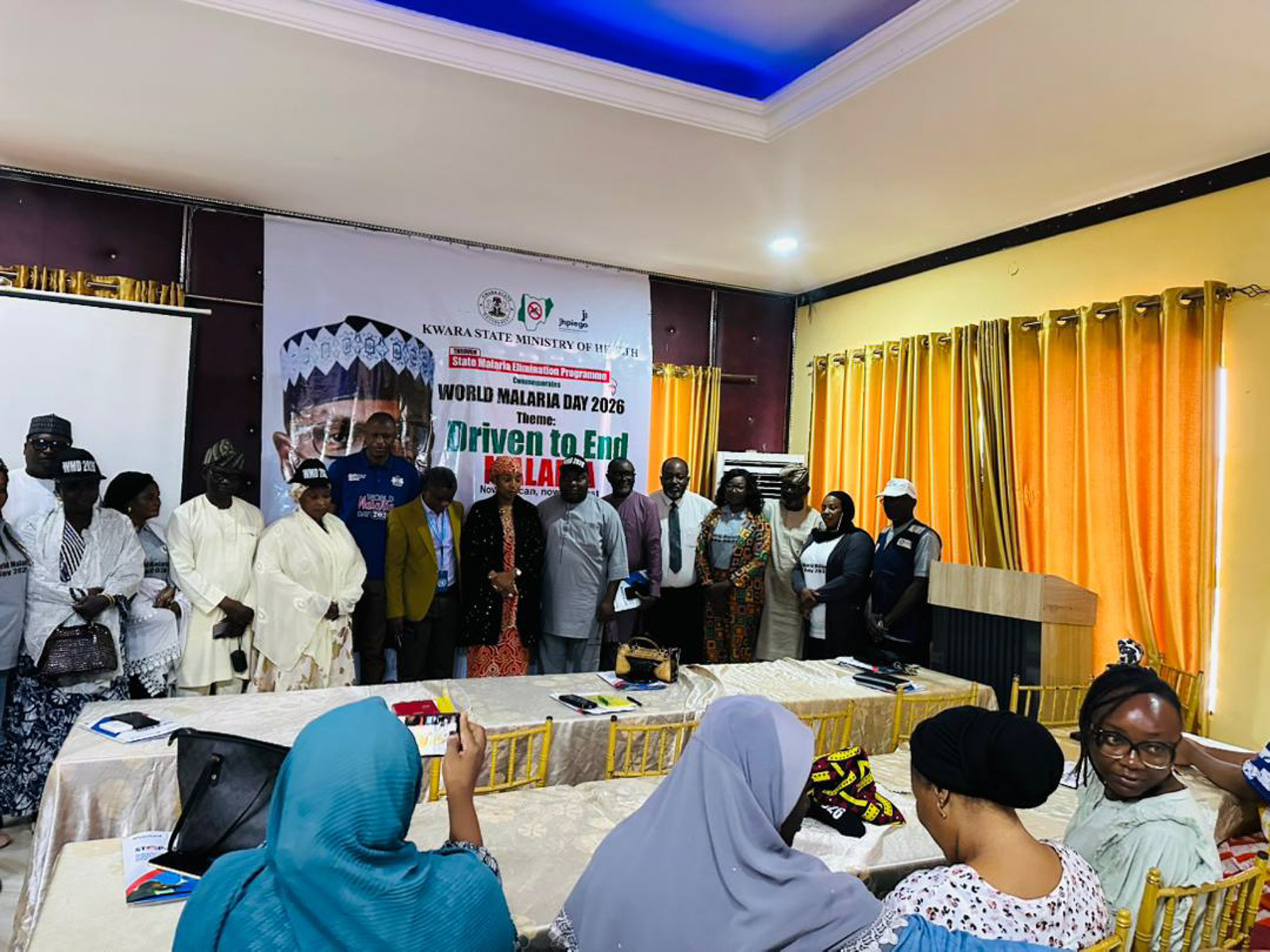
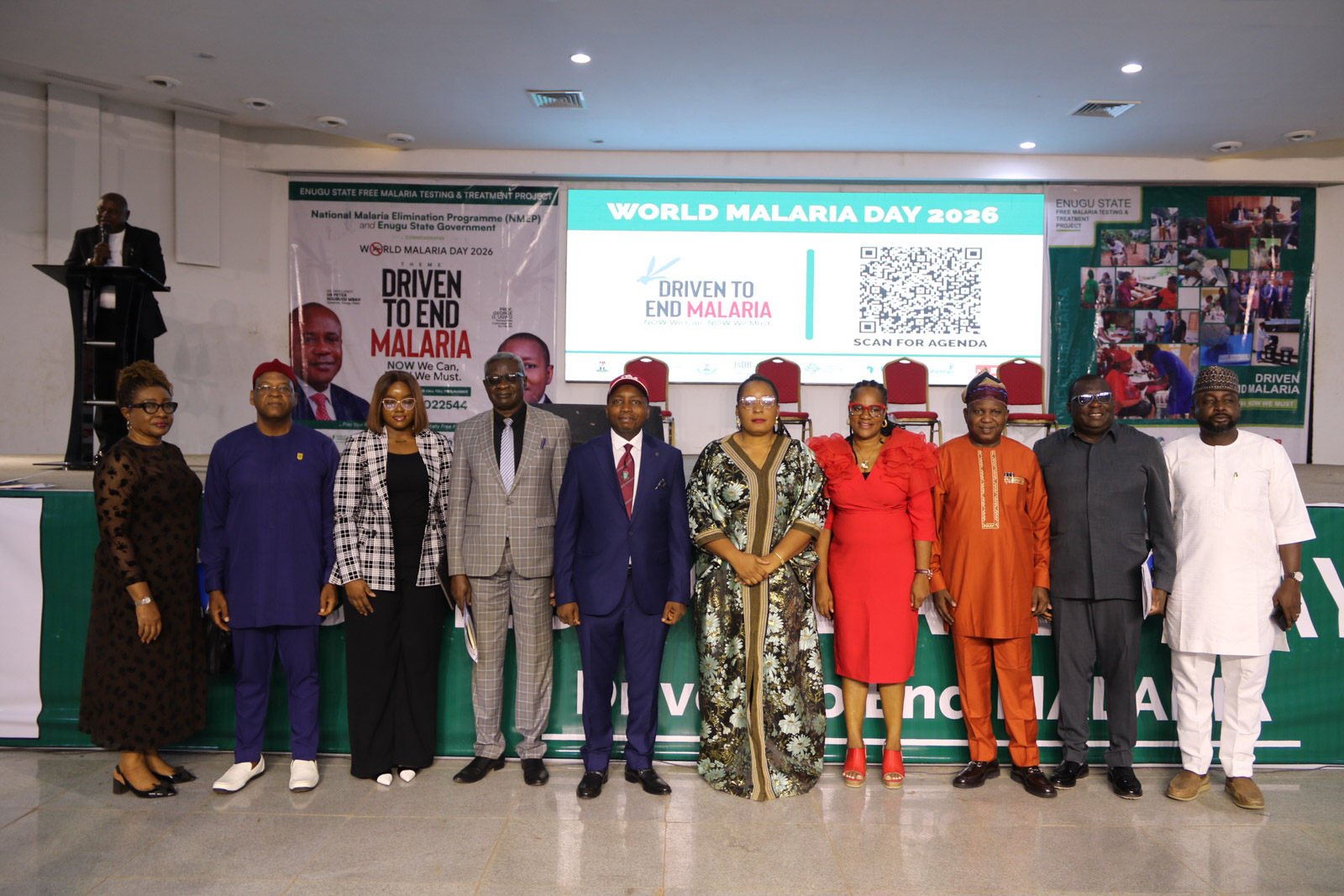
More than a one-time meeting, the dialogue established a state-owned platform for continued engagement on malaria financing. It marked an important step toward reducing reliance on external funding, strengthening government ownership of the multiple first-line therapy (MFT) agenda, and positioning Kwara and Enugu States to lead long-term malaria elimination efforts with partners in a supportive role. The experience demonstrates what sustainability can look like in practice: states setting the agenda, stakeholders aligning around shared priorities, and financing solutions being built for lasting impact.
Related Updates
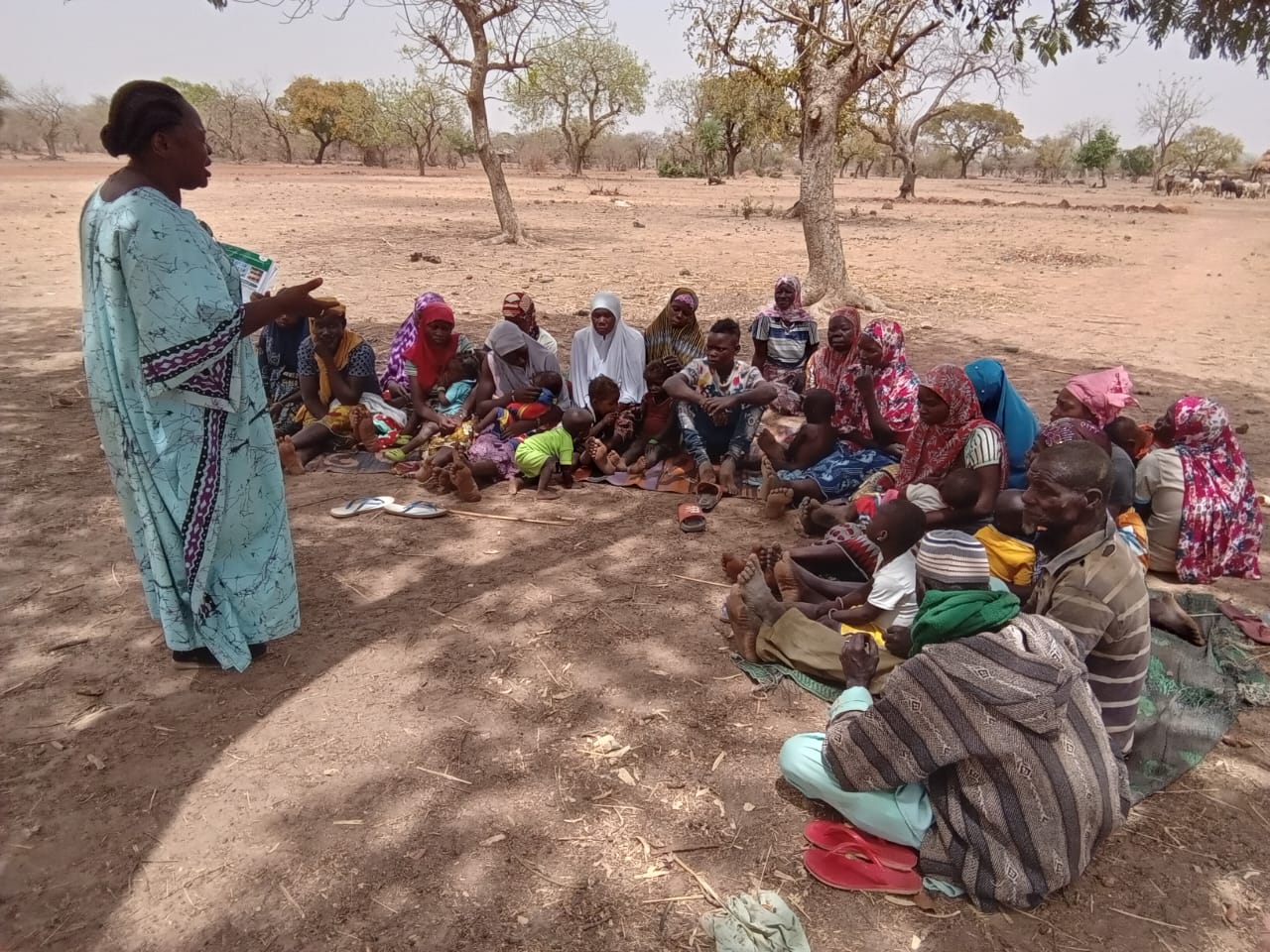
From door to door, Célestine helps families stay protected from malaria
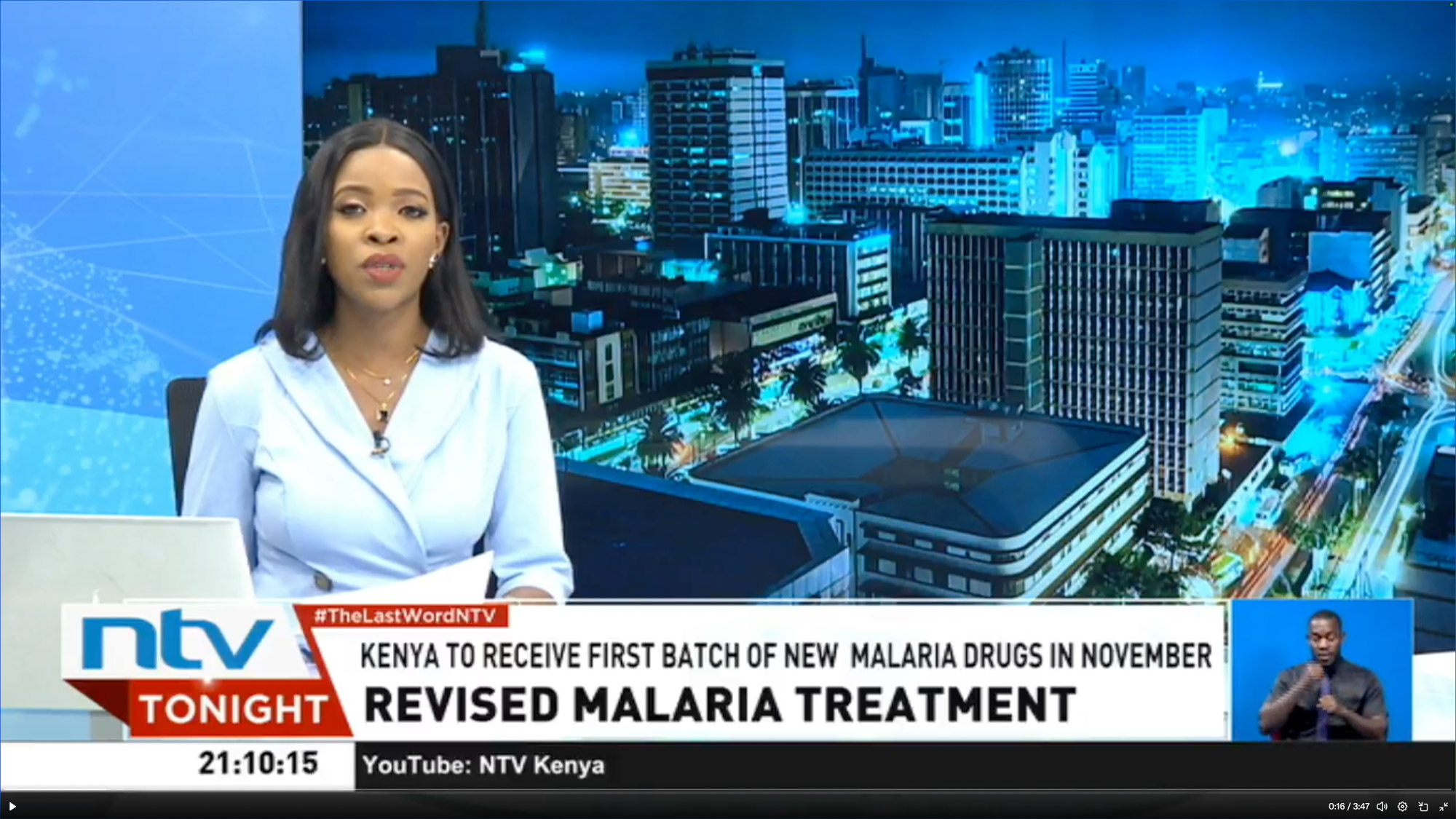
Kenya’s Revised Malaria Treatment
Kenya will receive the first batch of new malaria drugs in November as the country transitions from the current malaria…
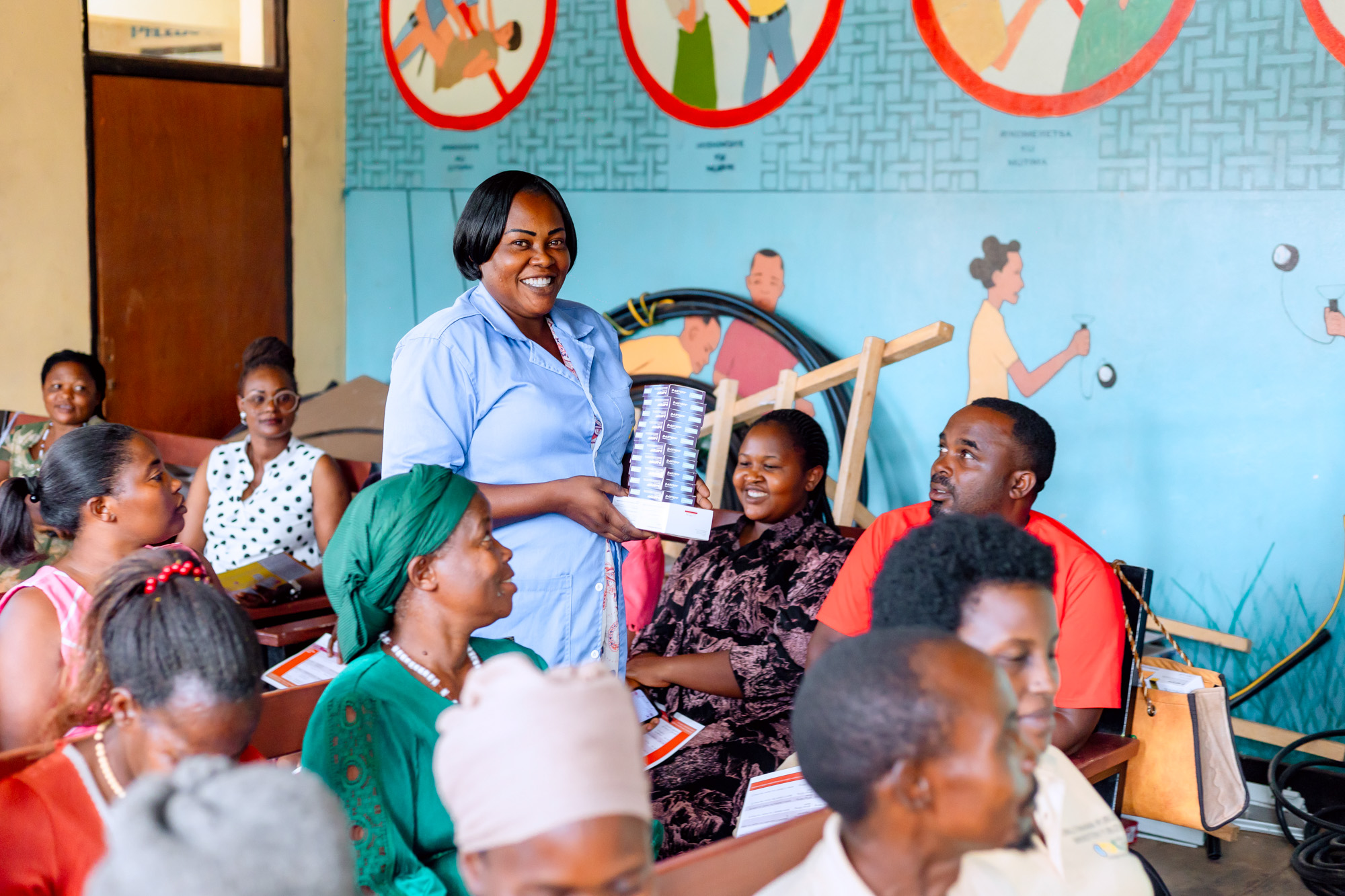
Rotating Malaria Treatments to Stay Ahead of Resistance: Lessons from Rwanda
Since 2020, molecular surveillance and therapeutic efficacy evidence have pointed to the emergence of artemisinin resistance in Rwanda, threatening the…